Guide
Canvas Shoes for Travel Days: Breathable, Packable, and Hopeless in Rain
By Rowan Hale, Footwear Editor · Published Oct 19, 2026 · Updated Oct 19, 2026
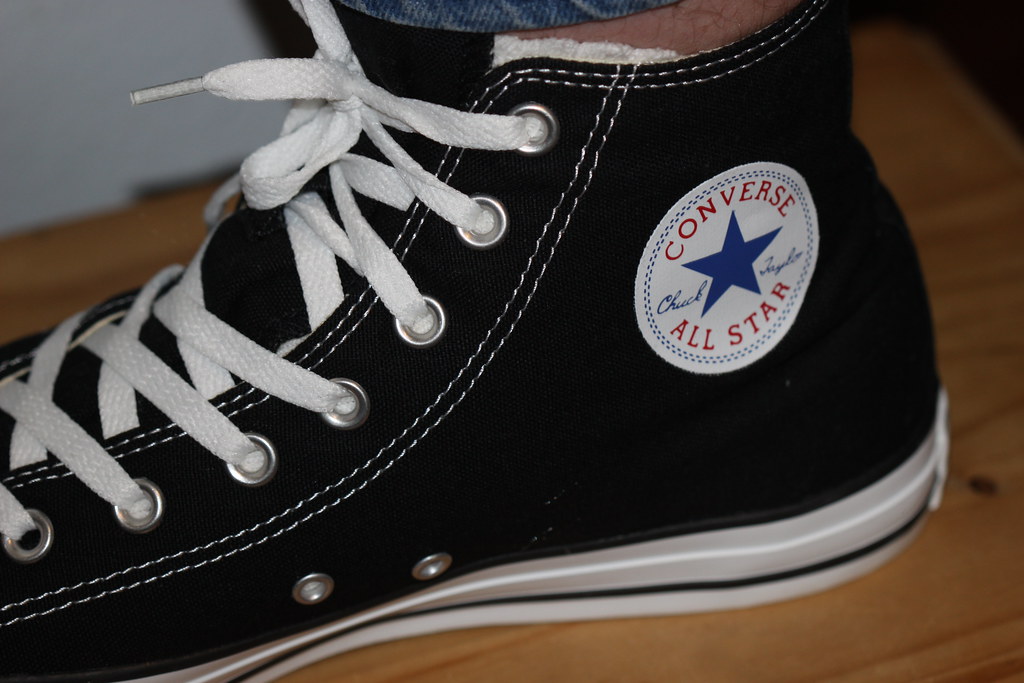
Canvas is the default casual shoe of the world, and travelers keep buying it for reasons the spec sheet never mentions. It breathes better than engineered mesh, survives a sink wash, folds flat into a daypack, and weighs nothing. It also soaks through in the first shower and transmits cobblestones straight into your arch. Whether a pair earns a place in a travel kit depends entirely on which of those sentences matters more on your route.
The heat advantage is real
Canvas is woven cotton, and the weave is the technology. Air moves through it more freely than through a synthetic knit panel, and sweat passes out rather than sitting against a lining. That is why a canvas shoe in humid heat feels closer to a sandal than a sneaker does — the upper is functionally open. Engineered mesh has closed most of the gap, and the uppers comparison between mesh and leather covers where each wins, but in genuinely hot, dry climates canvas is still the cooler of the two. For a walking day in southern Europe in August, that single property is worth more than any feature list.
Rain is where the story ends
Canvas has no membrane and no water treatment that survives more than a season. A canvas shoe in a downpour is a wet shoe within a block or two, and the cotton holds that water against the foot rather than shedding it. Worse, drying is slow: a soaked canvas upper can take most of a day in moving air, which turns a wet morning into a damp evening and, on a multi-day trip, into the odor problem covered in why travel shoes smell and what fixes it. The general question of whether wet-weather footwear is worth the weight at all is answered in whether you need waterproof shoes for a city break — but for canvas specifically the answer is simple. Bring them where it does not rain much, and accept that one storm means wet feet.
The washing advantage nobody uses
Here is the property that makes canvas genuinely useful on the road: it is the one upper that comes out of a wash looking better. Cold water, mild detergent, no dryer, air-dry away from heat. A canvas pair can be reset in a hostel sink overnight, which no amount of care achieves with synthetic mesh or suede, and the washing guide for travel shoes applies directly. On a trip of two weeks or more, that reset matters more day to day than any tech feature — a shoe you can actually clean is a shoe that does not have to be retired early.
The sole is the catch
Most canvas shoes are built on a vulcanized rubber sole: thin, flat, and cemented directly to the upper. There is almost no stack height, so hard pavement and old stone streets transmit straight through the sole, and a fifteen-mile day on that construction is a feet-destroying proposition. The cushioning question on standing days explains the mechanism, and the shoes that survive cobblestone all day are listed in the cobblestone roundup — canvas is not on it. An aftermarket insole helps with comfort but does nothing for the ground transmission, because the problem is the missing foam, not the fit.
The verdict
Canvas shoes are the right second pair for a dry-climate city trip: cool in heat, washable on the road, packable to nothing, and honest about their limits. They are the wrong only pair for long walking days, wet weather, or rough ground. Pack them as the evening and backup shoe, keep the mileage in a real walking shoe, and they will quietly outperform their price for years.
FAQ
- Can canvas shoes be machine washed on a trip?
- Yes, and this is their best party trick. Cold water, mild detergent, no dryer — air-dry them away from heat. It is the one upper material that comes out of a wash looking better rather than merely survived, which is why canvas earns its place on multi-week trips.
- Do canvas shoes work for long city walking days?
- Short of a supportive sneaker, yes for a few miles and no for fifteen. The vulcanized sole is thin and flat with almost no stack, so hard pavement and cobblestones transmit straight through. Treat them as the second pair or the evening shoe, not the mileage shoe.
- Are canvas shoes warmer or cooler than synthetic mesh?
- Cooler in practice. The cotton weave moves air more freely than a knit mesh panel and does not hold sweat the way a synthetic lining can. The difference matters most in heat and humidity, which is exactly the climate where canvas shoes are worth their limitations.
On the Ground
Four surfaces, read separately
Airport day
Terminal floors, security lines, overnight feet.
Beach town
Hot pavers, algae-slick steps, sand in everything.
City walking
Old stone that never flexes underfoot.
Trail day
Day-trip dirt that turns to mud by noon.