Guide
Mesh or Leather Uppers in Hot Weather: A Choice That Changes Everything
By Rowan Hale, Footwear Editor · Published Oct 10, 2026 · Updated Oct 10, 2026
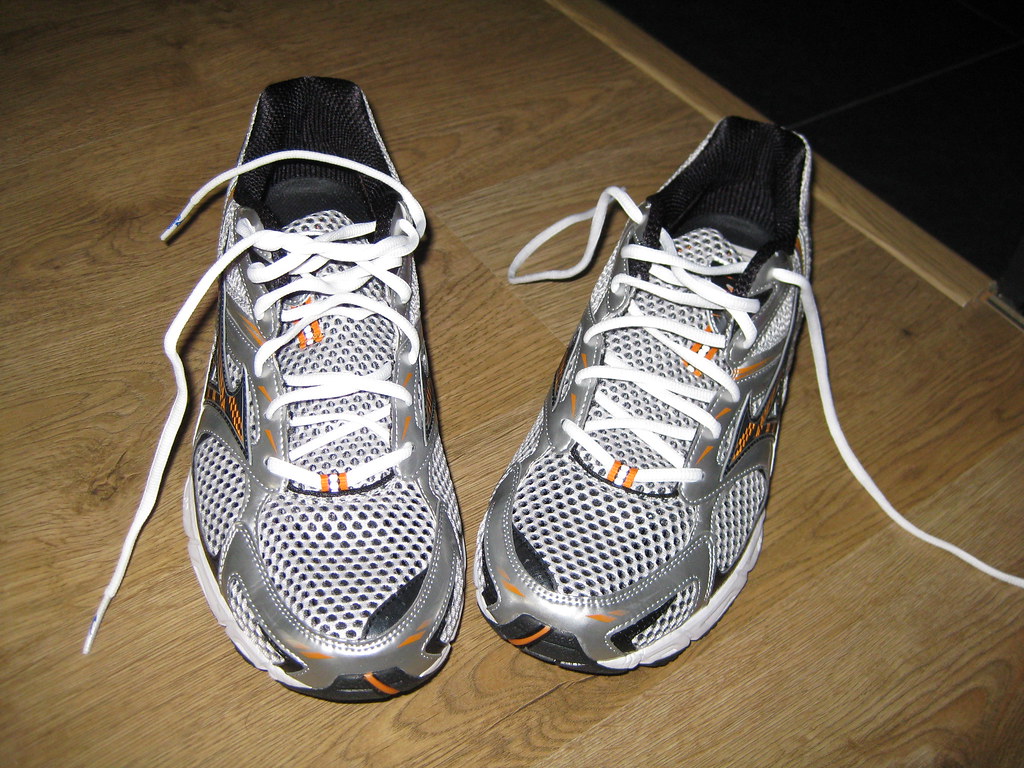
Mesh wins in hot weather. Leather wins the evening restaurant and the third year of service — choose it only when one of those outweighs heat, because on every axis that matters at 90 degrees, the knit or mesh upper is the better walking material.
Heat: Airflow Is Not Close
A mesh upper is a filter; a leather upper is a barrier. On a hot walking day your feet lose a surprising share of their cooling through sweat evaporation, and mesh lets that evaporation happen while leather traps it. The pattern across owner reviews is consistent: knit and mesh shoes get called tolerable at high temperatures, leather-lined shoes get called ovens. Our explainer on what heat does to feet on a walking day covers the physiology, including why swelling changes the fit by mid-afternoon no matter which upper you picked.
Rain Flips the Trade
Leather shrugs off a brief shower and keeps its structure; mesh soaks through in a minute and then dries in an hour on your foot. That reversal matters more than most packing lists admit. In a genuinely rainy climate, soaked mesh means squelching afternoons — but it also means the shoe recovers overnight. Leather that gets saturated stays damp for a day or more and can stiffen or stain as it dries. Neither problem has a clean fix on the road, so match the upper to the forecast rather than to the season on the calendar — and remember which recovery you would rather manage from a hotel room: an overnight dry-out or a damp shoe waiting at breakfast.
Care and Lifespan
Mesh is easier to clean — many travel models are machine washable, and our guide to washing travel shoes covers the routine — but it holds odor sooner and wears out faster, with uppers fraying long before soles do. Leather needs occasional conditioning and a small care kit instead of a washing machine, yet it keeps its shape and often outlives two or three mesh pairs. For a short trip, washability wins; for shoes that will do double duty back home, leather’s longer service life starts to pay for itself. Odor is the crossover point — when it appears, our notes on why travel shoes smell and what fixes it apply to both materials.
The One Axis Leather Wins
A plain leather sneaker passes at restaurants and offices where a running-knit shoe does not, and on cooler trips that versatility is worth the extra weight. In real summer heat, though, dress-code pressure is the only honest reason to choose leather. If you need both, wear the leather pair for evenings and pack a mesh shoe for daytime miles — a two-shoe day beats one hot compromise every time. And if the itinerary is one city across one hot week, skip leather entirely: dark knit sneakers pass more doors than their reputation suggests, and your feet will notice the difference long before anyone else does.
FAQ
- Is mesh or leather better for hot weather walking?
- Mesh. It lets sweat evaporate and keeps feet cooler, while leather traps heat. Owner reviews consistently report mesh and knit uppers staying comfortable at high temperatures where leather-lined shoes run hot.
- Do mesh shoes dry faster than leather?
- Yes, and by a wide margin. Mesh saturates quickly in rain but dries within hours when worn; wet leather can stay damp for a day or more and may stiffen or stain as it dries.
- Are leather travel shoes worth packing?
- When evenings involve dress codes, yes. A plain leather sneaker covers restaurants and offices that exclude athletic knits, and leather outlasts mesh with basic care. For pure hot-weather daytime walking, though, mesh is the better tool.
On the Ground
Four surfaces, read separately
Airport day
Terminal floors, security lines, overnight feet.
Beach town
Hot pavers, algae-slick steps, sand in everything.
City walking
Old stone that never flexes underfoot.
Trail day
Day-trip dirt that turns to mud by noon.