Picks
Best Shoes for Theme Park Days
By Rowan Hale, Footwear Editor · Published Oct 12, 2026 · Updated Oct 12, 2026
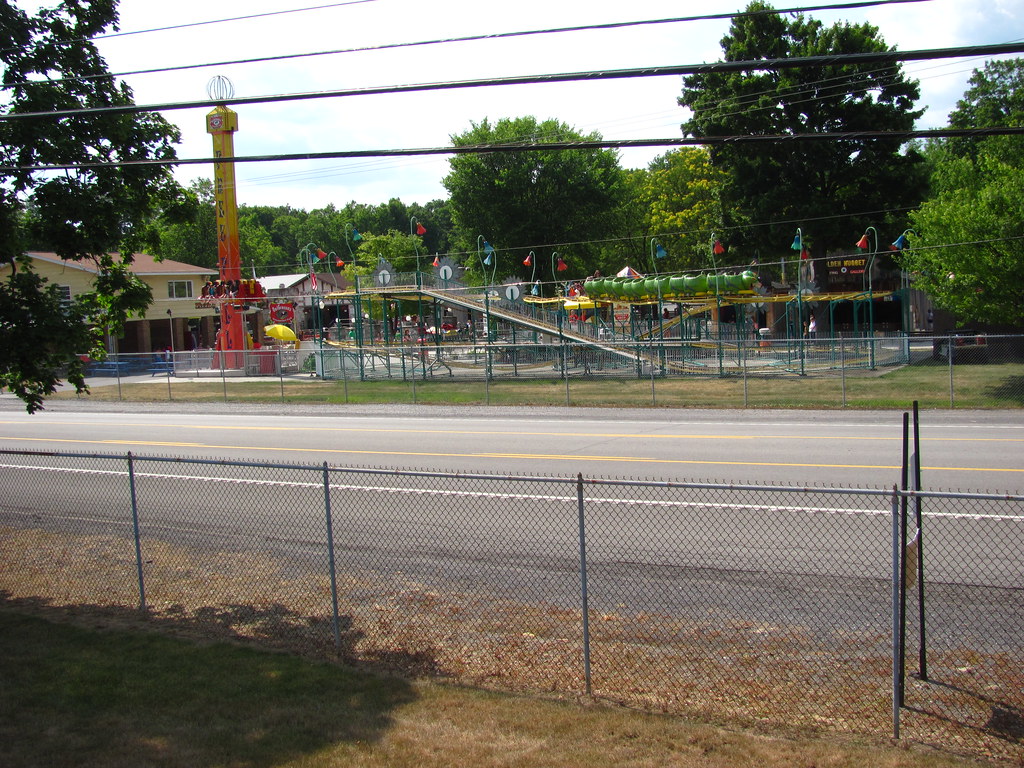
A theme park day is the most punishing ordinary day a travel shoe can face. It stacks ten-plus miles of concrete and hours of motionless queue standing, layered over heat radiating off pavement and a stop-start rhythm that never settles into a stride. Shoes bought for looks give out by mid-afternoon. Shoes built for the day’s actual mechanics last from rope drop to fireworks.
Why park days break ordinary shoes
Standing is not walking with less effort — it is a different load. Walking shares the work across muscle and tissue, and each step briefly unloads the foot. Queue standing pins your full weight onto one soft structure for forty minutes at a stretch, and thin foam bottoms out under exactly that kind of pressure. Owner reviews commonly describe the same failure arc: shoes that felt fine through the morning turn into hot-spot generators after the first long line.
Concrete makes it worse than asphalt, and parks are nearly all concrete. Heat finishes the job, because warmed foam loses resilience and feet swell half a size by late afternoon.
What the spec sheet must show
According to the published spec, the cushioned class for hard-surface walking starts around the mid-30s in millimeters of heel stack. Below that, static load has no mechanical answer. Three features matter, in order:
- A tall, resilient midsole — foam that stays dense under sustained load rather than collapsing within an hour.
- Rocker geometry — a curved sole that rolls each step forward, sparing the forefoot thousands of flex cycles.
- A stable platform — crowded walkways and parade crush punish narrow, tippy shoes, and so does every tiptoe-to-see moment.
Ventilation outranks weatherproofing here. A membrane has nothing to do on a hot park day except trap heat, and trapped heat is what converts a comfortable shoe into a blister machine by hour six.
The picks
Per our comparison method, picks come from published specs and consistent patterns in owner feedback, not from a lab bench.
Hoka Bondi 9 — the standing-heavy pick. The Bondi’s oversized midsole is the whole point for standing-heavy days: a tall, dense EVA-centered platform spreads static load across the whole foot instead of letting it concentrate under the heel, and the early-stage rocker keeps the forefoot out of the work at toe-off. Owner reviews commonly note that the ride stays supportive deep into long days on hard ground. The trade is bulk — this is not a shoe that disappears into a daypack, and it will not pass for dinner wear.
ASICS Gel-Nimbus 27 — the plush-mileage pick. As the flagship neutral trainer in ASICS’s road line, it pairs a heel GEL unit with a tall, soft foam platform aimed squarely at the repetitive-impact problem of ten-mile days. A 10 mm drop keeps the load pattern familiar to anyone coming from conventional shoes, and the platform is wide enough to feel planted between queue shuffles. The trade: the plush tier costs more and packs worse than the lighter models in the line.
New Balance 990v6 — the stable-platform pick. Its ENCAP midsole — an EVA core inside a polyurethane rim — puts structure around the cushioning, and the flat, wide footprint handles standing and crowd navigation better than softer, rocker-heavy alternatives. Multiple widths make fit easier to nail, and the 12 mm drop suits walkers who feel low-drop platforms in their calves. The trade: firmer underfoot than the other two, with less of the marshmallow effect.
How to choose between them
Queue time dominates the itinerary, and the Bondi 9’s platform exists for it. You want the softest possible ride and can live with the bulk: the Gel-Nimbus 27. Width options and a familiar, planted ride matter most: the 990v6. If the trip runs several park days, rotate two pairs instead of re-wearing one — foam needs recovery overnight, and the full logic is in our two-pair rotation guide. For a closer read on where this platform sits in Hoka’s lineup, see our Clifton-versus-Bondi comparison.
The picks
Some links below are affiliate links — we may earn a commission at no extra cost to you.
Hoka Bondi 9
Most cushioning for standing-heavy daysAn oversized EVA-centered midsole platform with an early-stage rocker, built to spread static load across the whole foot on hard pavement. Owner reviews commonly note the ride stays supportive deep into long days.
ASICS Gel-Nimbus 27
Plush ride for queue-heavy itinerariesASICS's flagship neutral trainer, pairing a rearfoot GEL unit with a tall, soft foam platform aimed at repetitive-impact days. Retailer listings put it in the premium cushioning tier of the road line.
New Balance 990v6
Stable platform, all-day durabilityAn ENCAP midsole — an EVA core inside a polyurethane rim — under a flat, wide footprint, with multiple widths for dialing in fit. Owner reviews commonly note the firmer, planted feel over softer rocker-heavy alternatives.
At a glance
| Pick | Cushion feel | Platform | Best for |
|---|---|---|---|
| Hoka Bondi 9 | Max, forgiving | Tall EVA stack, early rocker | Standing-heavy park days |
| ASICS Gel-Nimbus 27 | Plush, premium | Tall soft foam, rearfoot GEL | Ten-mile ride comfort |
| New Balance 990v6 | Firm, structured | ENCAP rim, flat wide base | Stability and width options |
FAQ
- What makes theme park days harder on shoes than a normal city day?
- The mix of load types. A park day stacks ten-plus miles of concrete with long stretches of motionless queue standing, and static load drains thin midsoles in a way walking never does. Add heat-softened foam and swollen feet by afternoon, and fashion-flat soles usually fail around hour five.
- Are maximalist running shoes too soft for a full park day?
- Softness only becomes a problem when it comes without density. Tall platforms built with resilient foam spread static load instead of collapsing under it, which is exactly what queue standing demands. A soft-but-dense midsole outlasts a thin firm one on concrete by a wide margin.
- Should I bring a second pair into the park?
- No — carry weight all day for a swap that rarely helps. Better to rotate two pairs across multiple park days so each midsole recovers overnight, and to choose one pair with the ventilation to survive a hot afternoon on your feet.
On the Ground
Four surfaces, read separately
Airport day
Terminal floors, security lines, overnight feet.
Beach town
Hot pavers, algae-slick steps, sand in everything.
City walking
Old stone that never flexes underfoot.
Trail day
Day-trip dirt that turns to mud by noon.