Picks
Picking Walking Shoes for Flat Arches
By Rowan Hale, Footwear Editor · Published Oct 11, 2026 · Updated Oct 11, 2026
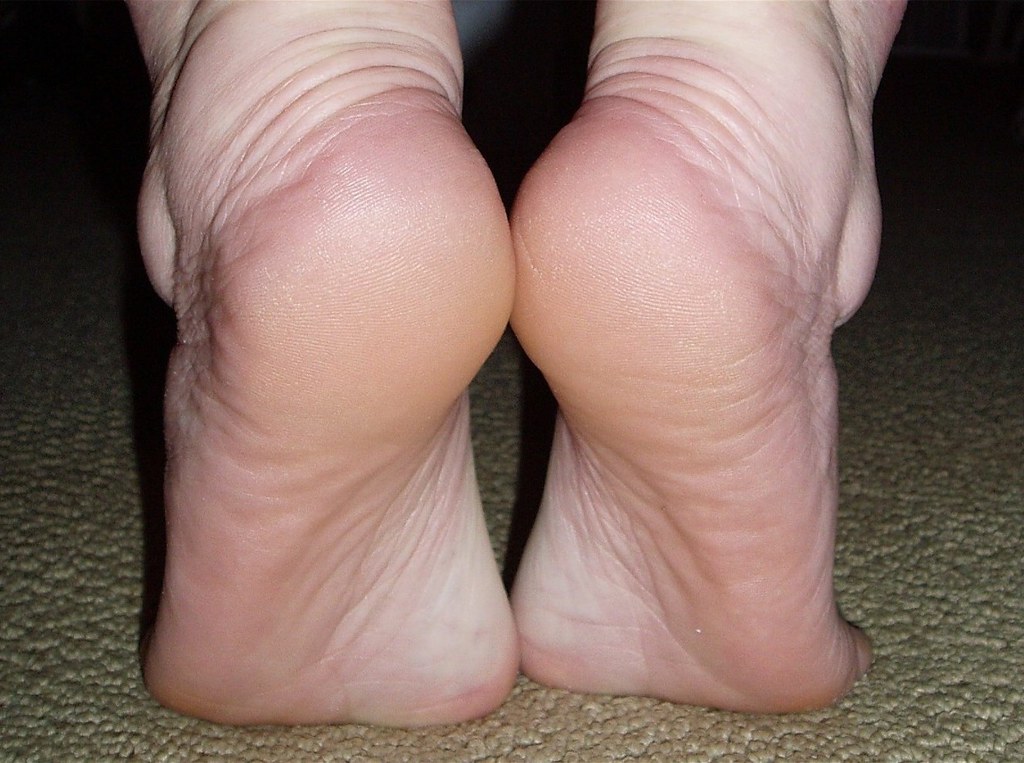
Flat arches don’t hurt because they are flat. They hurt because a flat, flexible foot tends to roll inward under load, and ten thousand steps multiply that roll into arch and knee strain that grows with every hour. The fix is not more cushioning. It is geometry that limits the roll.
What overpronation does to a walking day
Every step loads the arch. In a foot with more rigid structure, the arch compresses a little and rebounds. In a flatter, more flexible foot, the arch sinks further, the heel tips inward, and the shin rotates with it — a motion called overpronation. Owner feedback from flat-footed walkers follows a consistent arc: everything feels fine in the morning, and by mid-afternoon the arch aches while the kneecap area picks up a dull soreness. Fatigue amplifies the collapse, which is why the problem tracks step count more than distance.
How stability frames hold the line
Stability shoes attack the roll in two main ways. The traditional approach is a medial post — a firmer wedge of foam embedded along the arch side of the midsole that resists compression exactly where the foot pushes hardest. The newer approach is a guide rail — a raised frame along the shoe’s perimeter that cradles the foot and engages only when it drifts inward. Posts are decisive; rails are gentler. Neither wins in the abstract, because the right dose depends on how much collapse your arch actually does.
Three picks, three support styles
Per our comparison method, picks come from published specs and consistent patterns in owner feedback.
ASICS GT-2000 13 — the moderate-guidance pick. It sits in the moderate-stability tier of ASICS’s road line, using a guidance framework built into the midsole rather than one hard post, with rearfoot GEL softening the heel strike that flat-footed walkers tend to load heavily. Owner reviews commonly note it as support you stop noticing — enough direction to end the afternoon ache, not enough to feel like walking on a wedge. The natural fit is mild-to-moderate overpronation on long pavement days.
Hoka Arahi 7 — the cushioned guide-rail pick. Its J-Frame wraps the heel and arch from the perimeter — a rail, not a post — on top of one of the thickest platforms in the stability class. That combination suits flat arches that also want maximal cushioning, and the early-stage rocker unloads the forefoot at toe-off. The trade: a tall rocker platform can feel unsettled for the first few outings, and the fit runs snug through the midfoot for some.
New Balance 860v15 — the traditional-post pick. The 860 line has always stood for the classic design — a firmer foam wedge along the medial midsole — and the v15 keeps that identity with current-generation foam around it. This is the pick for walkers whose overpronation is pronounced enough that gentle guidance goes unnoticed, and its width range is the widest of the three. The trade: the ride is firmer and less springy than the rail-based alternatives.
Fit details that decide whether the frame works
A stability frame only guides a foot that sits on it. Width is the first check: in a too-narrow shoe the arch rolls right past the frame and spills over the medial edge, and no midsole technology can help from there. A snug morning fit can also loosen by afternoon as the foot lengthens over a long day, and a foot that slides forward stops sitting on the frame at all. Second, the stock footbeds in all three are thin; a contoured aftermarket insole with a real arch shape often adds as much as the frame itself, and our insole guide covers the sizing and volume details. Third, a locked-in heel keeps the calcaneus aligned so the frame engages from the first step instead of the fifth.
Mild collapse that shows up as tired arches late in long days: the GT-2000 13’s moderation fits. Flat arches plus a wish for maximum cushioning: the Arahi 7. Pronation you can watch from behind, or wide feet: the 860v15. The mirror image of this problem — high arches that concentrate pressure instead of rolling — has its own guide at choosing shoes for high arches, and reading both clarifies which foot you actually have. Then buy early enough to test on local pavement, because support dose is the one spec no chart can decide for you.
The picks
Some links below are affiliate links — we may earn a commission at no extra cost to you.
ASICS GT-2000 13
Moderate guidance you stop noticingA moderate-stability trainer using a guidance framework built into the midsole rather than one hard post, with rearfoot GEL softening the heel strike flat-footed walkers load heavily. Owner reviews commonly note it as support that ends the afternoon ache without a wedge feel.
Hoka Arahi 7
Cushioned guide-rail approachA J-Frame wraps the heel and arch from the perimeter — a rail, not a post — on one of the thickest platforms in the stability class. Owner reviews commonly note a snug midfoot fit and a short settling-in period on the rocker shape.
New Balance 860v15
Traditional medial post, widest size rangeThe classic stability design — a firmer foam wedge along the medial midsole — carried into current-generation foam, with the widest width range of the three. Retailer listings keep it in the traditional-support tier rather than the gentle-guidance tier.
At a glance
| Pick | Support style | Feel | Best for |
|---|---|---|---|
| ASICS GT-2000 13 | Midsole guidance framework | Moderate, easy to forget | Mild to moderate overpronation |
| Hoka Arahi 7 | Perimeter J-Frame rail | Max cushion with structure | Flat arches wanting plush ride |
| New Balance 860v15 | Medial foam wedge post | Firm, traditional | Pronounced overpronation, width needs |
FAQ
- Do flat arches always need stability shoes?
- Not always — the dose should match the collapse. Feet with mild overpronation often do fine in neutral shoes with a contoured footbed, while pronounced rolling inward benefits from a real frame. Watch your worn shoes: an edge that has collapsed toward the arch side is the clearest sign a stability frame is worth having.
- Is a medial post or a guide rail better for flat feet?
- Posts are decisive and rails are gentle. A post resists compression right where the foot pushes hardest, so it suits pronounced overpronation; a rail cradles the foot and engages only on drift, which suits moderate collapse and walkers who dislike a wedged feel. Neither is universally better.
- Can an insole replace a stability shoe?
- Partially. A contoured aftermarket insole with a real arch shape can settle mild overpronation inside a neutral shoe. For stronger collapse, the frame in the midsole does work an insole cannot, because it controls the whole foot's path rather than only what sits under the arch.
On the Ground
Four surfaces, read separately
Airport day
Terminal floors, security lines, overnight feet.
Beach town
Hot pavers, algae-slick steps, sand in everything.
City walking
Old stone that never flexes underfoot.
Trail day
Day-trip dirt that turns to mud by noon.