Guide
Camp Shoes: What to Wear Around the Tent After Dark
By Rowan Hale, Footwear Editor · Published Oct 19, 2026 · Updated Oct 19, 2026
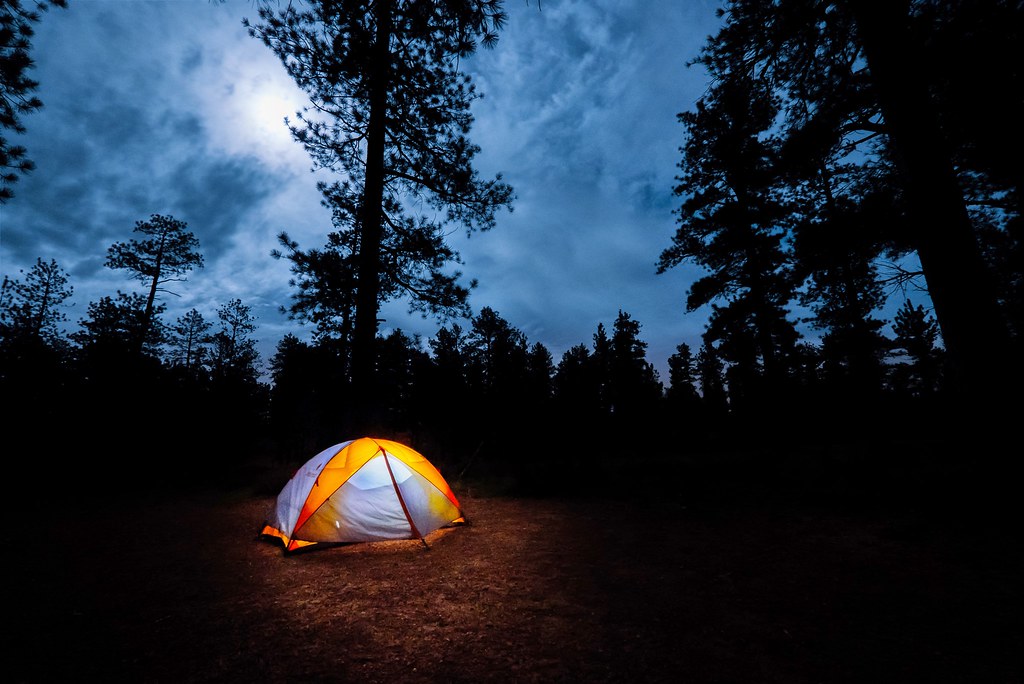
The hardest walk of a camping evening is not the trail. It is the thirty steps from the tent door to the bathroom block, over pinecones and guy-line stakes, in the dark, once the day’s boots are finally off. That walk is what camp shoes exist for — a small, ugly job that a full trail shoe does badly and bare feet do dangerously.
The job is smaller than the shoe industry makes it
A camp shoe does three things. It keeps pinecones, gravel, and tent stakes off the sole of your foot. It lets the pair you hiked in dry out instead of staying laced and sweaty for another eight hours. And it keeps the inside of your sleeping bag from inheriting the day’s mud. That is the whole brief. Cushioning, arch support, lug pattern, waterproofing — every gram spent there belongs to the shoe you actually walk in, and paying for them twice makes a camp shoe heavy enough to resent carrying.
Why the day’s boots stay laced at the tent
The boot you hiked in is damp on the inside by the time you reach camp, and a boot that never dries starts the next day damp. Slipping into camp shoes is what gives the pair their drying window, the same logic behind alternating two pairs on a longer trip, compressed into an evening. Boots left on around camp also track pine needles and dust into the tent, and grit inside a boot is a blister forming overnight. If your boots somehow stayed dry, the honest answer is that you can skip camp shoes entirely — the category solves a moisture and hygiene problem, not a comfort one.
What actually matters in a camp shoe
Four things decide whether a pair earns its pack space, and none of them is cushioning. The sole should be thin but continuous — foam or soft rubber that stops a pebble without needing structure, since campsite ground is debris, not granite. The closure should be hands-free: laces are friction at eleven at night, which is why the category runs almost entirely to slip-ons and straps. The upper should dry fast or simply not care, because camp shoes will get muddy and possibly rained on. And the whole thing should pack to roughly nothing.
The four archetypes
Knit collapsible slip-ons are the minimal answer. They stuff into a jacket pocket, breathe well, and dry overnight in the tent vestibule. The trade is ground feel: a fabric sole reads every stone, and they offer nothing on rough scree. EVA clogs — the vented foam slide archetype — grip wet grass, drain through the holes, and rinse clean, at the cost of bulk. Strapped hiking sandals are the versatile pick, doubling as water shoes and campground shower shoes, with toe exposure as the price on cold evenings. Down booties are the cold-night specialist: nearly weightless, absurdly warm, useless near water. Pick by camp, not by brand — a desert car-camper and a shoulder-season backpacker want different shoes.
When to skip them
Car camping changes the math. If the shoes live in the trunk rather than on your back, weight and pack size stop mattering, and the most comfortable option wins rather than the smallest. Travelers already carrying a second pair for the walking day often find that pair does evening duty too — one more pair only earns its place when the packing math still closes. And on a hot, dry night at a maintained campground with soft grass, going barefoot around the tent is what most people actually do.
Camp shoes are the least glamorous purchase in the kit and one of the few that changes how an evening at camp feels. Buy them small, buy them ugly, and let them do the thirty steps.
FAQ
- Can I just wear flip-flops as camp shoes?
- On smooth, dry ground they do the job. They fail the moment the evening turns wet or the ground gets thorny — no toe protection, little grip on wet grass, and they vanish in the dark if they slip off. A closed toe or a strapped option covers more evenings.
- Are down booties worth carrying?
- Only if your nights run cold and dry. They are the warmest option by a wide margin and weigh almost nothing in the pack, but soaked down is dead down, so they belong at the tent and nowhere near a river crossing.
- Do camp shoes need to be broken in?
- No. Anything that needs breaking in is the wrong tool for this job. Camp shoes should feel finished on the first wearing, which is why knit, foam, and soft rubber dominate the category.
On the Ground
Four surfaces, read separately
Airport day
Terminal floors, security lines, overnight feet.
Beach town
Hot pavers, algae-slick steps, sand in everything.
City walking
Old stone that never flexes underfoot.
Trail day
Day-trip dirt that turns to mud by noon.