Guide
Stack Height for Standing Days: Why Thin Soles Fade by Hour Six
By Rowan Hale, Footwear Editor · Published Oct 5, 2026 · Updated Oct 5, 2026
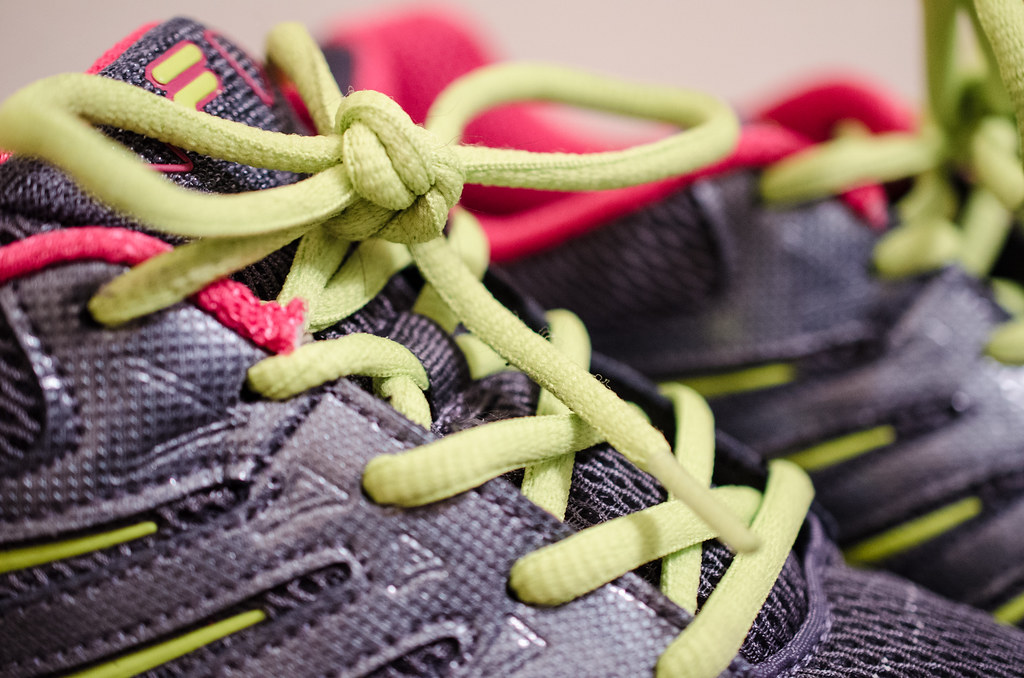
Thin-soled shoes give an honest first impression and a misleading second one. Hour one on a museum floor feels fine. Hour six feels like standing on the building’s foundation, because in a sense you are: whatever foam sat between your heel and the concrete has been squeezed toward flat since about hour two.
Why thin soles run out of time
Standing is a continuous load, and thin foam has little material to spread it with. Under body weight the foam layers compress, and once they bottom out, pressure passes straight through to the heel and the metatarsal heads, the knuckles of the foot just behind the toes. Walking at least alternates that load with moments of near-weightlessness in every stride. Standing offers no such pause, so whatever cushioning exists has to work nonstop. Thin foam cannot work nonstop. The floor is also a specific kind of opponent: sealed concrete and dense tile over slab have essentially no give of their own, so the shoe is the only shock absorber in the system. The same thin shoe that disappears on a forest path turns hostile on terminal flooring.
What thick soles charge for it
The obvious fix creates problems of its own. Tall, soft foam is an unstable platform, and the small muscles in the feet and calves spend the day making tiny corrections to keep you balanced, trading one fatigue for another. Height also adds weight, and every step pays the freight. Owner feedback on maximalist shoes follows a consistent arc: plush for the first hour, wobbly and tiring by the end of a static day. Firmness matters as much as height, which is the real story behind the trade-offs in our Hoka Clifton vs Bondi comparison. A structured mid-stack sole quietly outlasts a plush one when the job is standing.
Matching stack to the itinerary
The right height follows the surface, not the brochure:
| Trip pattern | Stack that holds up | The trade-off |
|---|---|---|
| Hard-floor days: terminals and museum floors | Mid to high, firmer foam | More weight on your feet and in the bag |
| Mixed pavement and old stone | Moderate stack, flexible forefoot | Less luxury underfoot |
| Light packing, short walking days | Thin is survivable | Plan rest stops or bring an insole |
Where the day alternates between hard floors and uneven ground, geometry starts to interact. A taller stack often lowers the effective heel-to-toe drop and shifts load toward the forefoot, which changes how the calves finish the day; our shoe drop guide explains that dial. Both numbers belong in the same decision, and the full checklist lives in our travel shoe buying guide.
Stack height is a tool matched to a surface, not a virtue in itself. Pick it the way you would pick a mattress: for how long you will be on it, and how hard the thing underneath is.
FAQ
- Is a thicker sole always better for standing all day?
- No. Beyond a moderate height, tall soft foam adds instability that makes the small stabilizing muscles work harder during static standing. Firmness matters as much as height, and a structured mid-stack shoe often beats a plush maximalist one at hour six.
- Are thin soles bad shoes in general?
- No. On soft or uneven ground, and for walkers who value ground feel, thin soles behave well. The failure is specific to long static hours on hard, flat surfaces such as concrete, tile, and terminal floors.
- Can insoles replace stack height?
- A good insole adds cushioning and arch support inside a thinner shoe and can carry a light standing day. It cannot add material that is not there, so on marathon hard-floor days a shoe with real midsole volume still has the ceiling.
On the Ground
Four surfaces, read separately
Airport day
Terminal floors, security lines, overnight feet.
Beach town
Hot pavers, algae-slick steps, sand in everything.
City walking
Old stone that never flexes underfoot.
Trail day
Day-trip dirt that turns to mud by noon.