Guide
Long Flights Change How Your Shoes Fit
By Rowan Hale, Footwear Editor · Published Oct 4, 2026 · Updated Oct 4, 2026
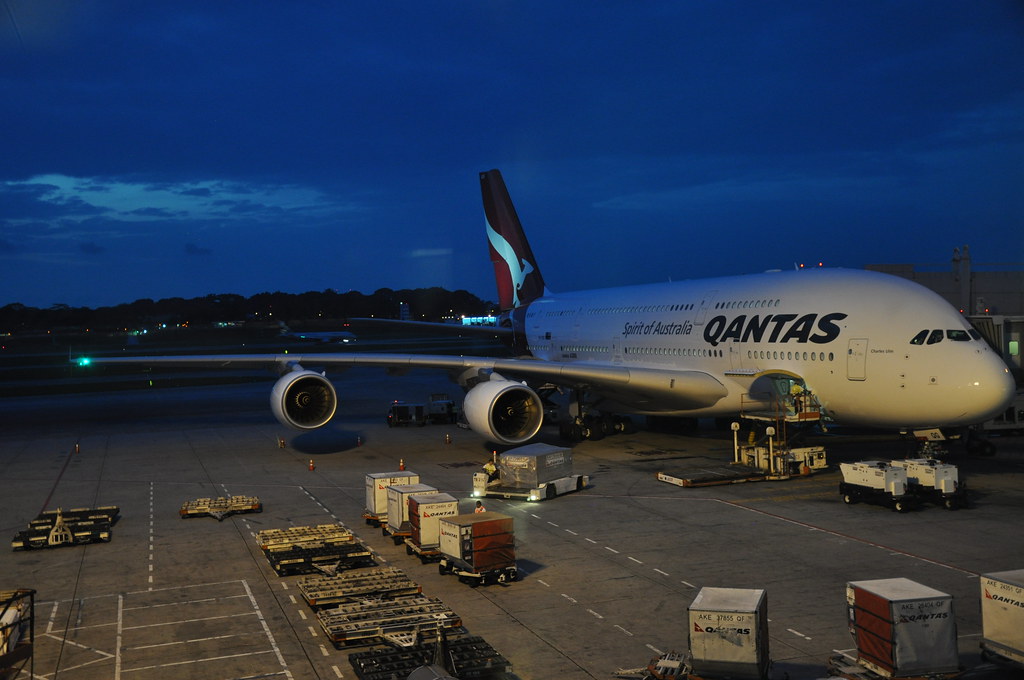
The shoes that fit comfortably at the departure gate can feel like a different pair by baggage claim. The shoes have not changed. Hours in a pressurized cabin quietly change the feet inside them, and the mismatch shows up at the worst possible moment: the first long walk of the trip, often with luggage in hand.
What a cabin does to a foot
Sit still for six hours with your legs hanging down and the calf muscles stop doing their quiet secondary job: pumping fluid back up out of the lower legs. Gravity keeps pulling while the pump sits idle, and fluid settles into the feet and ankles. Cabin conditions add to it. The air is unusually dry, and the cabin is pressurized to an equivalent altitude well above sea level, which encourages tissues to hold more fluid than they would on the ground. None of this is dramatic hour by hour, but it compounds across a long flight and peaks in the first hour after landing, exactly when the shoes go back on for the walk to the train or the taxi. Feet also run larger late in the day on any ordinary schedule, which is one more reason an afternoon fitting beats a morning one before a trip.
The fit changes; the size should not
Swelling is temporary, which is why the answer is margin rather than a bigger shoe. Going up a full size buys a sloppy, heel-slapping shoe for the rest of the trip, and a heel that slaps on every stair raises blisters of its own. The better approach is a shoe fitted with a thumb’s width in front of the longest toe while standing, ideally late in the day when feet are already near their largest, and then adjustable closures to absorb the rest. A lace-up or strap closure can run snug on the outbound morning and open a notch on the arrival evening, which is one shoe doing two jobs. Our travel shoe sizing guide covers how width and arch shape interact with that margin.
What to wear in the air
The ideal flight shoe breathes, adjusts, and comes off without a fight. Knit or mesh uppers tolerate the expansion instead of pressing against it. Closures that open a notch mid-flight keep pressure off the top of the foot as the hours pass. Easy entry matters twice, once at the security bench and once at the seat, where shoes come off and go back on around sleeping neighbors. Our slip-ons and airport security guide covers the security trade-off, and the mechanics of the terminal day around the flight are in On the Ground: Airport Days. One habit worth copying from frequent flyers: take the shoes off in the air and circle the ankles now and then. Walking the aisle once an hour completes the routine.
Treat arrival day as the fit test that matters. If the shoe still feels right on swollen feet after a red-eye, the rest of the trip is a formality.
FAQ
- How much do feet actually swell on a long flight?
- It depends on the person and on the length of the flight, but some increase is common on flights of several hours or more. The effect is temporary and usually fades within a day of walking normally again, which is why the goal is margin in the fit rather than a larger shoe size.
- Should I take my shoes off during the flight?
- On a long flight, yes. Taking shoes off and circling the ankles helps move fluid out of the lower legs, and walking the aisle once an hour adds to it. A slip-on or strap-closure shoe makes this far easier than a lace-up that needs a full re-tie.
- Do compression socks help with flight swelling?
- For many travelers they reduce the pooling that drives the size change, which protects shoe fit as well as comfort. Anyone with circulation or heart conditions should check with a doctor before using them.
On the Ground
Four surfaces, read separately
Airport day
Terminal floors, security lines, overnight feet.
Beach town
Hot pavers, algae-slick steps, sand in everything.
City walking
Old stone that never flexes underfoot.
Trail day
Day-trip dirt that turns to mud by noon.