Guide
Altra vs Hoka for Wide Toe Box Walkers
By Rowan Hale, Footwear Editor · Published Oct 8, 2026 · Updated Oct 8, 2026
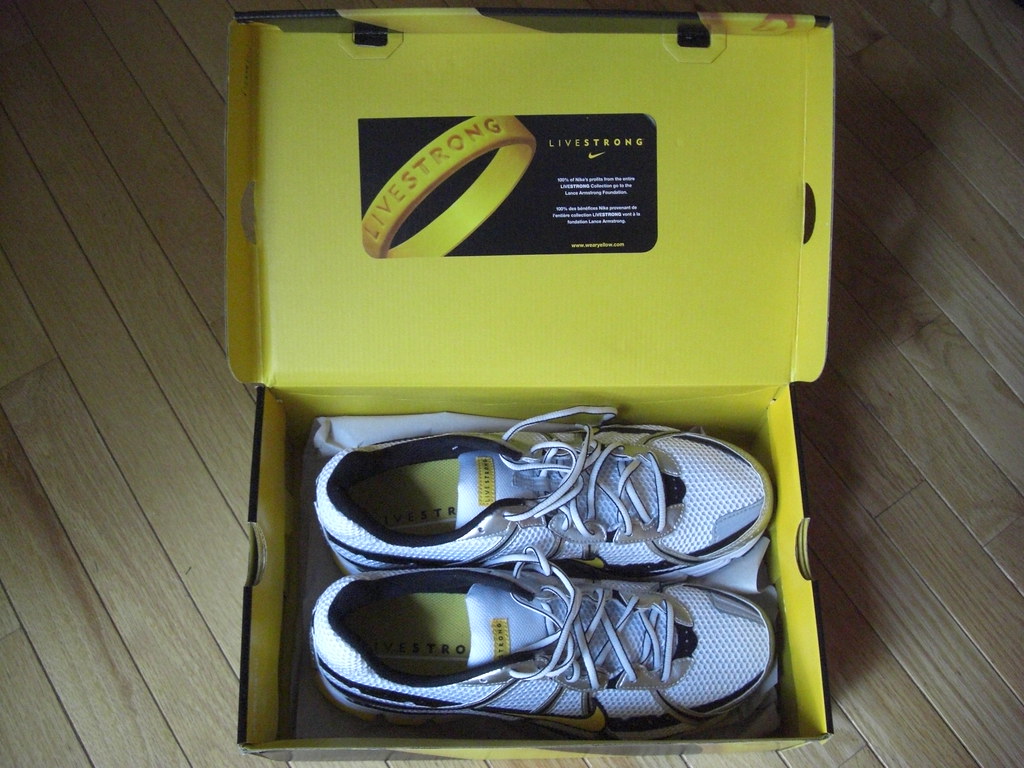
Altra does not sell a wide toe box as an option; it sells one shaped toe box, and wide is simply the default. Hoka sells a medium last with Wide sizes attached to most models. That single difference in philosophy drives most of the choice between these two brands for walkers with demanding forefeet.
What “Wide” Actually Means on Each
Altra’s FootShape toe box runs broad across the whole forefoot and lets toes splay on descents — that is the entire point of the shape, and owner reviews back it up. Hoka’s standard lasts are medium at best through the front; the Wide versions genuinely add forefoot volume, and owner feedback commonly notes that they work, but you have to buy the specific wide variant, and midfoot volume stays closer to standard. If your problem is specifically toe splay, Altra solves it without a size hunt. If it is overall volume, Hoka Wide is worth a fitting session.
Zero Drop Versus a Rocker
Altra is zero drop: heel and forefoot sit level, which loads the calves and Achilles differently and takes a transition period if you are coming from conventional shoes. The classic mistake is buying zero-drop shoes the week before a trip and letting the trip run that transition; sore calves do not care how good the toe box is. Hoka builds on a conventional heel-toe drop with an aggressive rocker, which shortens the foot’s working range and suits long flat mileage. Neither geometry is better in the abstract. Zero drop rewards strong feet and a natural gait; the rocker rewards tired feet and long hard sidewalks. Our explainer on what shoe drop does on a long walking day covers the mechanics in detail.
Terrain and Pack Weight
On trails, Altra’s line — the Lone Peak above all — pairs the roomy front with grip and a flexible, light build that hikers either love or find underfoot-thin on sharp rock. Hoka’s trail shoes counter with deeper cushion and a rockered roll that eats long miles, at the cost of more shoe and less ground feel. On pavement the same pattern repeats. For a trip that mixes gravel paths with city streets, the more protective platform is Hoka’s; for nimbleness and a lighter bag, Altra’s. Weight tells the same story at the luggage carousel: Altra’s core trail models sit at the lighter end of the category, which matters once the shoes share a bag with everything else you packed.
Which Brand, for Which Feet
Truly wide forefeet, toe-splay problems, or a preference for flat, natural geometry: Altra, without a sizing detour. Medium-to-wide feet who want maximum cushion and a rocker: Hoka Wide. The space between those two answers is where most sizing mistakes happen — our guide to shoe sizing for travel covers width and arch measurement before you order. And if the trip leans toward light trails rather than pavement, our light hiking shoe picks add a third bracket worth considering, since several models there split the difference on width and cushion.
FAQ
- Are Altras or Hokas better for wide feet?
- For genuinely wide forefeet, Altra, because the FootShape toe box is wide by default across the lineup. Hoka delivers comparable forefoot room only in its Wide sizing, which most models do offer. Medium feet often prefer Hoka's standard fit.
- Is zero drop bad for walking long distances?
- Not inherently, but it shifts load to the calves and Achilles. Walkers switching from conventional shoes should transition over several weeks. On flat, long pavement days, many people find a rockered, dropped shoe less fatiguing.
- Do Altras run true to size?
- Owner reviews commonly note Altras running true in length with a roomy forefoot. The foot-shaped last can feel loose to narrow-heeled walkers, who sometimes add a heel-lock lacing adjustment rather than sizing down.
On the Ground
Four surfaces, read separately
Airport day
Terminal floors, security lines, overnight feet.
Beach town
Hot pavers, algae-slick steps, sand in everything.
City walking
Old stone that never flexes underfoot.
Trail day
Day-trip dirt that turns to mud by noon.