Guide
Teva vs Chaco for Wet Ground and River Walks
By Rowan Hale, Footwear Editor · Published Oct 7, 2026 · Updated Oct 7, 2026
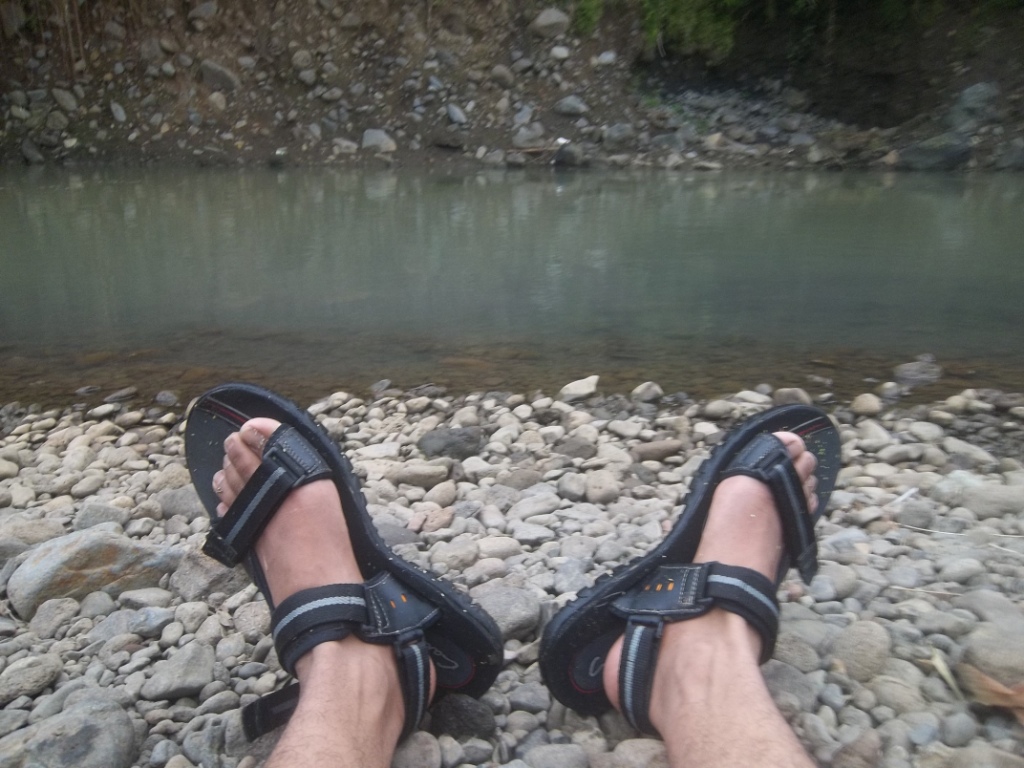
Both sandals were built to get soaked, and both dry on your feet. The real differences show up after the water: how grippy each one is on wet stone, and how long the sandal takes to feel normal again.
Wet Grip: Rubber Choice Matters
Chaco leans on Vibram rubber across much of its line, and that compound holds an edge on wet rock and slick boat ramps better than the average sandal sole. Teva’s outsoles grip competently on wet pavement and packed sand, but the recurring theme in owner commentary is that Chaco is the surer foot on genuinely slick stone — mossy riverbed cobbles, waterfall approaches. On dry ground the gap closes almost entirely. Neither sandal belongs on real trail terrain; both are for water-adjacent walking, not scree.
One Strap or Three
Teva uses two or three independent hook-and-loop straps: fast to adjust, easy to loosen one-handed, forgiving when your feet swell through an afternoon. Chaco threads one continuous polyester webbing through a ladderlock buckle, and once you cinch it, it does not move — sand cannot clog a buckle the way it clogs velcro, and the fit stays locked through water and gravel alike. The cost is adjustment time and a steeper learning curve on the first wear, worth practicing once at home — working out how the webbing feeds through a ladderlock for the first time at a riverbank, with wet hands, is its own small misery. Owner reviews commonly note that Chacos feel lockdown-secure on uneven riverbed terrain where a looser Teva strap lets the foot slide a few millimeters with each step.
Drying Speed and Break-In
Teva dries faster. The webbing plus a light EVA midsole sheds water quickly, and the whole sandal is lighter to pack. Chaco’s denser polyurethane midsole holds water longer and adds real weight, though it also delivers the firmer arch support the platform is known for. Owner reviews commonly note a break-in window on Chacos — the PU midsole is stiff out of the box — while Tevas are wearable on day one. That splits the use cases cleanly: plan Teva for a trip where the sandal is secondary packing, and plan Chaco for one where it is the primary shoe, worn from morning to night.
Riverbed or Boardwalk
Days where the ground is wet stone — river crossings, rocky lake edges: Chaco, for the Vibram grip and the locked-in strap. Beach towns and pool-to-restaurant loops where you take them on and off a dozen times a day: Teva, for the speed and the quicker dry. Our beach town sandal picks cover the broader sandal field, and our notes on beach town surfaces explain why wet boardwalk and wet tile behave so differently underfoot. Hot-weather swelling is its own factor in that choice — see what heat does to feet on a walking day before you lock in a size.
FAQ
- Do Tevas or Chacos dry faster?
- Teva. The lighter EVA midsole and webbing release water quickly, while Chaco's denser polyurethane midsole holds moisture longer and adds weight when soaked. Both are designed to be worn wet without falling apart.
- Are Chacos or Tevas better for wide feet?
- Both adjust across the forefoot, but Chaco's single continuous strap with a ladderlock buckle cinches tighter and holds through water, which suits high-volume feet. Teva's multiple hook-and-loop straps are faster to adjust and easier to fine-tune through a day of swelling.
- Do Chacos need break-in?
- Usually a few wears. The polyurethane midsole is firmer than Teva's EVA out of the box, and owner reviews commonly note a short adjustment period. Tevas are generally comfortable immediately.
On the Ground
Four surfaces, read separately
Airport day
Terminal floors, security lines, overnight feet.
Beach town
Hot pavers, algae-slick steps, sand in everything.
City walking
Old stone that never flexes underfoot.
Trail day
Day-trip dirt that turns to mud by noon.