Guide
How to Dry Soaked Shoes Overnight in a Hotel Room
By Rowan Hale, Footwear Editor · Published Oct 3, 2026 · Updated Oct 3, 2026
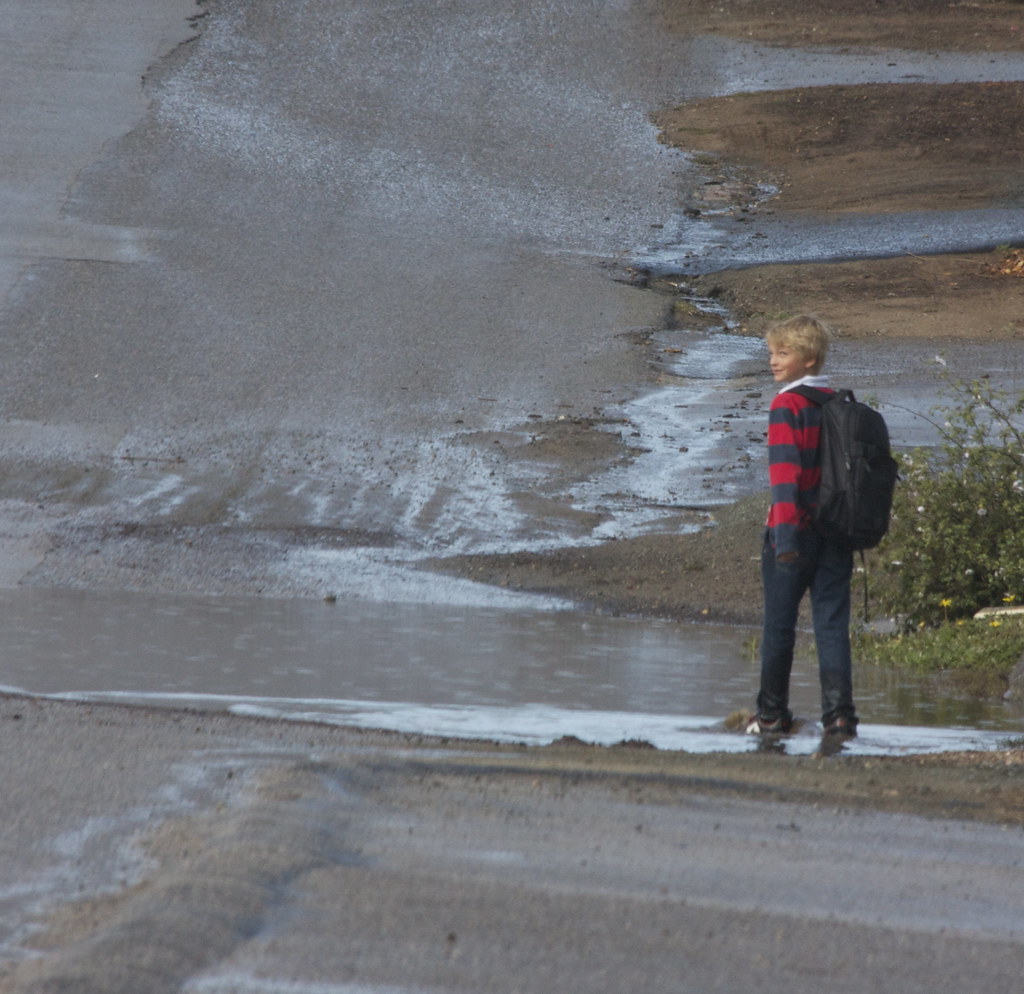
The downpour caught you three neighborhoods from the hotel, and by dinner the shoes are doing a credible impression of sponges. Morning still holds a walking day and checkout does not move, so the resources on hand are a bathroom and whatever paper the lobby still has. Overnight drying is possible under exactly those conditions. What decides the outcome is refusing the shortcuts, because the fast options are how soaked shoes get ruined.
Why the dryer and the radiator are the expensive options
A tumble dryer combines the two stresses shoe glue tolerates worst: heat and repeated flexing. Adhesives in stitched-and-glued construction soften well below a dryer’s drum temperature, and a midsole that spent forty minutes tumbling often comes out warped at the toe or lifting at the heel line. A hotel radiator fails more quietly. Press a shoe against the slats overnight and the outsole bakes while the upper stays damp; EVA foam can take a permanent set, so the shoe dries with a lean it never had before. Heat also drives moisture deeper into foam rather than out of it, which is why a radiator-dried shoe can feel dry on the surface and squelch again the next afternoon.
The setup that works: paper, airflow, and patience
Start by pulling the insoles and loosening the laces so the tongue opens wide, then press a towel against the interior to lift out the standing water. Crumple newspaper or paper towels and pack the toe box firmly enough to hold its shape. The paper does two jobs: it wicks moisture out of the lining and it props the toe open so air can move through. Then comes the patience. Saturated paper stops working within an hour or two, so swap in fresh paper after dinner and again before bed. Paper that has gone limp and gray is spent; leaving it in place insulates the toe instead of wicking it, which is worse than leaving the toe empty. If the lining is pale, wrap the paper in a plain paper towel first; ink transfer is rare but not zero. Finish by standing the shoes upright a foot or two from the air-conditioning vent, or under the ceiling fan if the room has one, with the insoles propped separately. Moving room-temperature air is the entire technology.
The 7 a.m. calculation
A genuinely soaked pair is rarely fully dry after a single night; the realistic expectation is most of the way there. Wearing a slightly damp shoe is survivable, especially over a dry merino or synthetic sock that keeps pulling moisture off the skin. Skip the plastic-bag trick: a grocery bag inside the shoe holds water against your foot and turns the day into a sweat box. If the shoes still squelch at wakeup, that is the morning to switch to a backup pair and give the soaked ones another full day of moving air. Once they are dry, a wash is probably due, since rainwater off city streets carries grit into the lining — the material-by-material method is in how to wash and dry travel shoes. The better fix sits upstream of all of this, in deciding whether a city break actually needs waterproof shoes before the forecast answers for you.
Heat is the only fast option in a hotel room, and it is the option that can cost you the shoe. Paper and moving air lose you an hour or two and keep the whole pair.
FAQ
- Can I use a hair dryer on the cool setting?
- Cool air from a distance works the same way a fan does and is safe. The heat settings are the problem: warmth that feels gentle on your hand can soften adhesives and press a set into the midsole, so treat the hot modes as off-limits.
- How long do soaked shoes actually take to dry?
- Expect most of the moisture to leave overnight with the paper-and-airflow method, but a truly saturated pair usually needs twenty-four hours or more. Plan the first paper swap within two hours, and let a second day of moving air finish the job.
- Will newspaper ink stain the inside of the shoe?
- Modern newspaper inks rarely transfer, but pale linings carry some risk. Wrap the paper in a plain paper towel before stuffing if the lining is light-colored, or use paper towels alone in the toe area.
On the Ground
Four surfaces, read separately
Airport day
Terminal floors, security lines, overnight feet.
Beach town
Hot pavers, algae-slick steps, sand in everything.
City walking
Old stone that never flexes underfoot.
Trail day
Day-trip dirt that turns to mud by noon.