Guide
Merino vs Cotton Socks on a Long Walking Day
By Rowan Hale, Footwear Editor · Published Oct 8, 2026 · Updated Oct 8, 2026
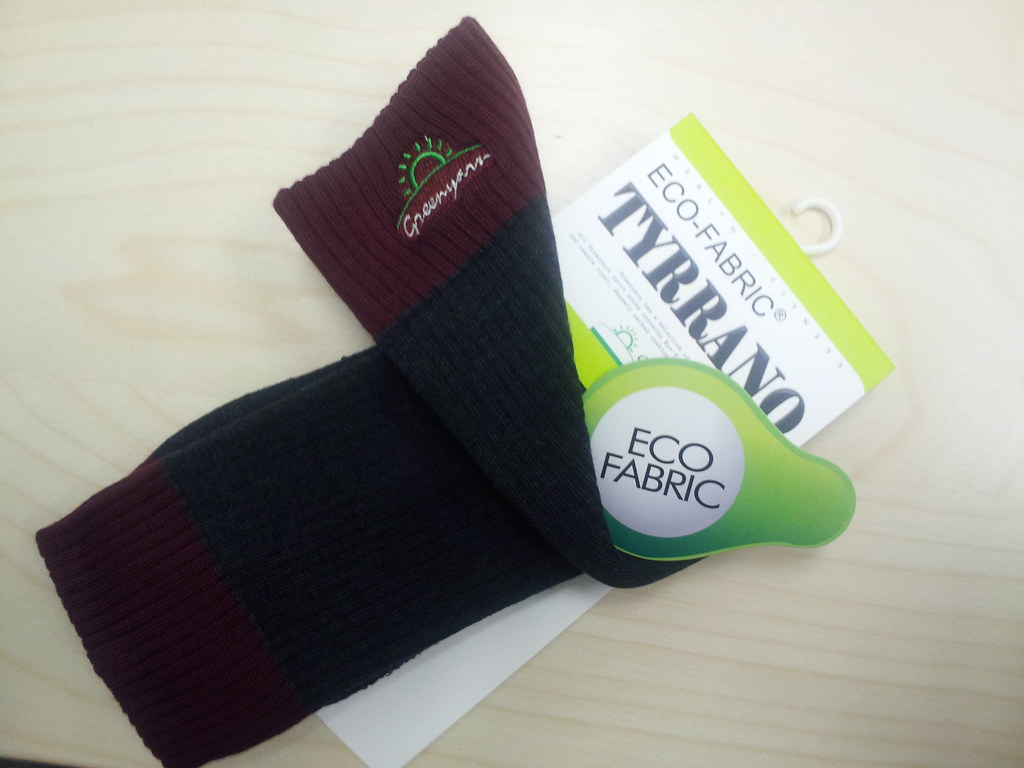
The choice between merino and cotton looks harmless at the dresser and stops being harmless around hour four of a walking day, when one sock is still moving moisture and the other has become a wet compress. The difference is not comfort trivia. It decides how your feet feel at mile eight and what they feel like the next morning.
What cotton does once it is wet
Cotton absorbs a remarkable amount of water and then holds it. On a walking day that means a sock that never wicks anything and sits soaked against the skin, losing whatever insulation it had. Wet fabric softens skin, and softened skin under repeated friction is where blisters begin. Cotton also dries slowly; a pair hung in the hotel room overnight is often still damp at breakfast, which forces a choice between a wet sock and yesterday’s — and yesterday’s, worn damp on day two, is how the heel blister arrives. None of this is visible in the store, which is why the mistake keeps repeating: cotton feels better in hand, softer and cheaper, right up until hour four.
What merino buys, and what it charges
Merino keeps insulating when wet and moves moisture off the skin toward the fabric’s outer face, then dries in a fraction of cotton’s time. It also resists odor well enough to survive several wearings between washes, which matters when laundry is a maybe. Thickness matters as much as fiber here; a thin merino liner under a thicker blend is a common fix for walkers who want the performance without the bulk. The charges are real. Merino costs several times what a cotton multipack does, and thin merino wears through at the heel faster than cotton ever did; owner reviews commonly note that the ultralightweights go first while midweight blends hold up.
| What you care about | Cotton | Merino |
|---|---|---|
| Warmth when wet | Gone entirely | Mostly retained |
| Drying overnight | Often still damp | Usually dry |
| Blister tendency on long days | High | Low with a close fit |
| Odor after repeat wears | Settles in fast | Resists noticeably |
| Price per pair | Low | Several times higher |
The decision, by climate and mileage
Cotton is not ridiculous in every scenario. A cool, dry city with moderate mileage lets cotton get away with it, and the price is right. The case for merino hardens as the forecast gets hotter and the mileage climbs: ten-mile-plus days in humid places, with no laundry in sight, are exactly where the wet-compress failure shows up. A merino blend is the sensible middle, keeping most of the performance while fixing the durability and the price. For a deeper menu, the best travel socks for all-day walking are compared elsewhere on this site. The heat side of the equation is unpacked further in what heat does to feet and shoes on a walking day.
Socks are the cheapest component of a walking outfit and the one most able to ruin it. On any itinerary with real mileage, a few extra dollars per pair buy the largest comfort upgrade available anywhere in the packing list.
FAQ
- Are merino blend socks good enough, or is 100% merino required?
- Blends are good enough for most travelers and often better. Nylon or polyester threads add the durability pure merino lacks, and moisture performance stays close. Pure merino wins on softness and odor resistance but wears faster at the heel.
- How many times can I wear merino socks between washes?
- Commonly two to three wearings in dry weather before odor becomes noticeable, fewer in heavy heat. Airing them overnight between wearings stretches that, since drying resets most of the bacterial activity that causes smell.
- Do cotton socks really cause blisters, or is that marketing?
- The mechanism is real: cotton holds sweat against the skin, softened skin shears more easily under repeated friction, and long walking days supply the friction. Risk peaks on hot, long days and stays modest on short, cool ones — which is why cotton survives in some scenarios and fails in others.
On the Ground
Four surfaces, read separately
Airport day
Terminal floors, security lines, overnight feet.
Beach town
Hot pavers, algae-slick steps, sand in everything.
City walking
Old stone that never flexes underfoot.
Trail day
Day-trip dirt that turns to mud by noon.