Picks
Best Recovery Sandals for Long Walking Days
By Rowan Hale, Footwear Editor · Published Nov 5, 2026 · Updated Nov 5, 2026
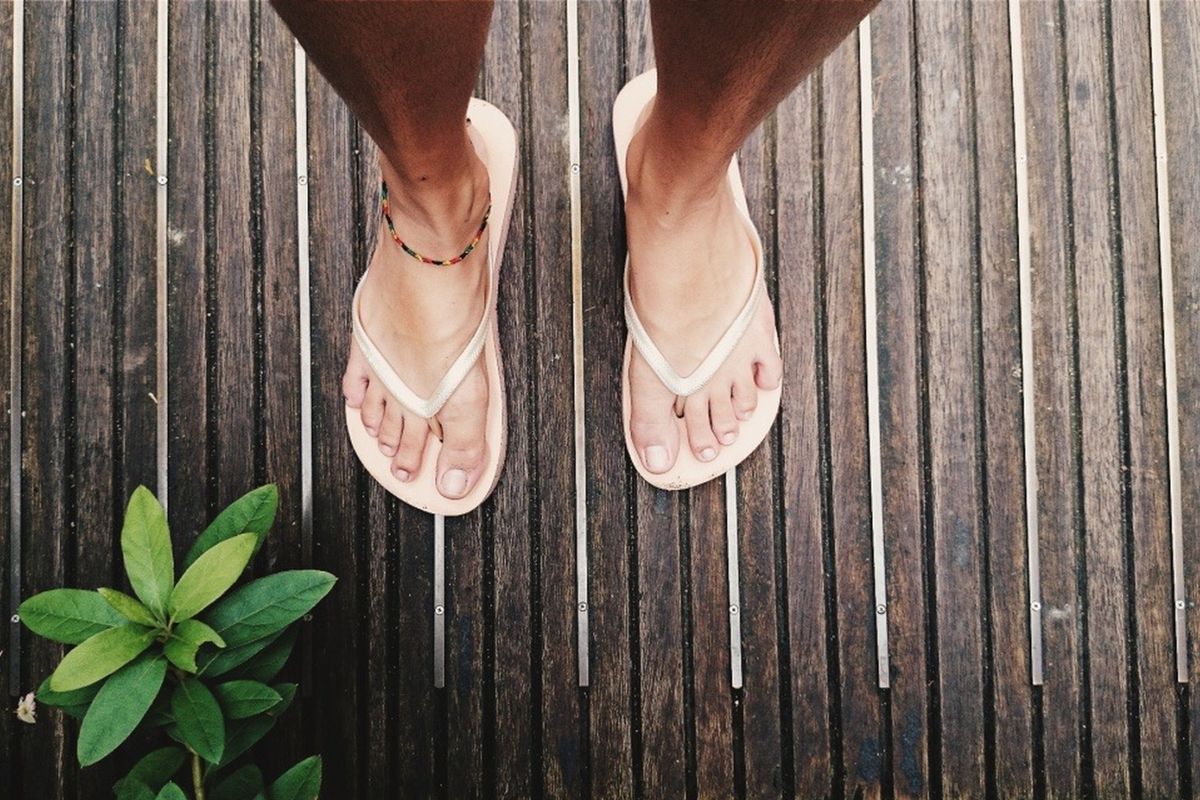
A recovery sandal is the shoe you change into after the walking day ends, and its whole job is different from the shoe that got you through the day. Your daytime shoe manages impact at a stride; a recovery slide manages the slow, static load of standing in a museum queue, cooking dinner, and drifting out for a gelato. The demand profile is low speed but high duration, which is why the category looks like overgrown foam flip-flops and why the good ones are not shaped like flip-flops at all.
This piece compares three current models for travel downtime specifically: what each footbed does under long static load, how much they weigh packed, and where each one falls short outside the hotel room.
Why flat flip-flops fail the same feet
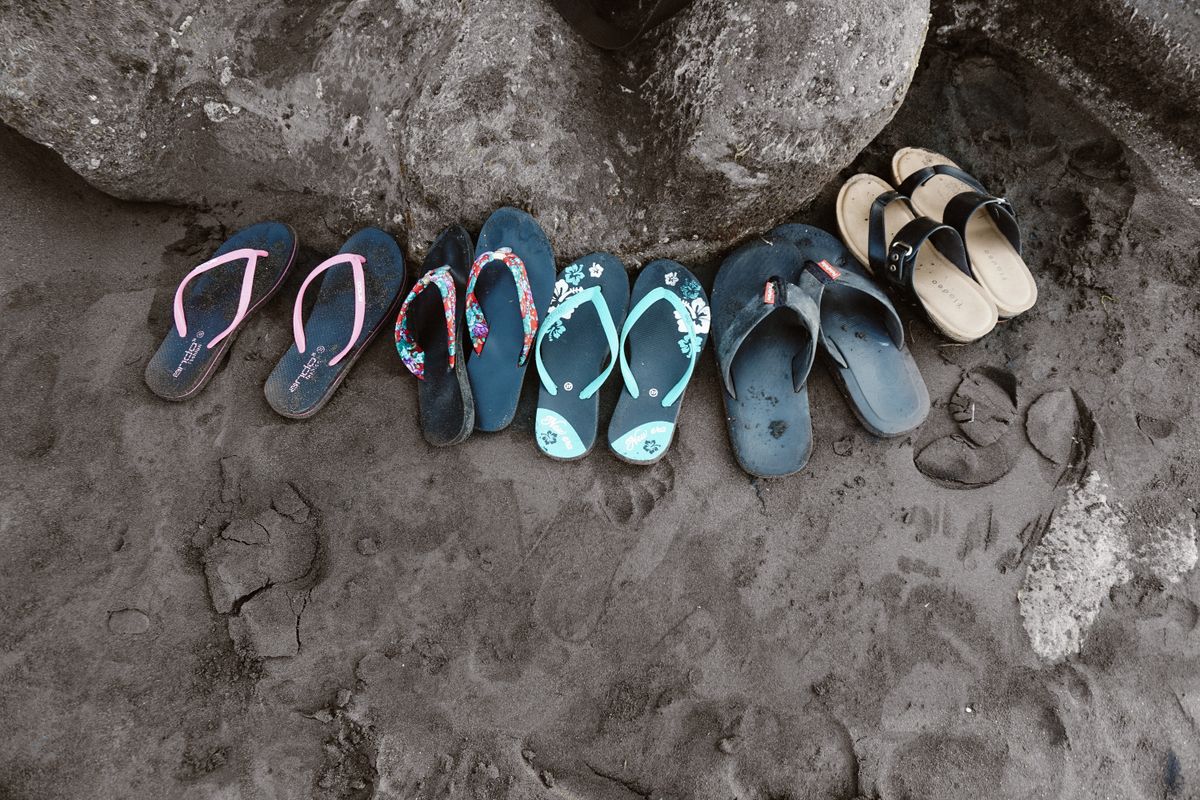
The traditional flip-flop fails in two specific ways after a long walking day, and both are geometric. First, the footbed is flat. Your arch gets no relief at all, so the plantar fascia keeps working the same way it worked all day — the exact tissue that is already complaining. Second, the toes grip. With only a V-strap holding the shoe on, most wearers curl their toes slightly on every step to keep the sole under the foot. Over an evening, that repeated flexion loads the fascia from the other end, which is roughly the opposite of recovery.
A proper recovery slide fixes both problems. The footbed is contoured — a raised arch rim, a cupped heel, often a subtle cradle down the length — so the foot rests instead of gripping. The strap is wide enough that the forefoot stays put without toe curl. Owner reviews across the category repeat one theme almost word for word: standing still in them feels different from standing still in flat foam, and the difference compounds over hours, not minutes.
The footbed is the product
Every other spec on a recovery slide is secondary to footbed geometry, because the footbed is what your sole is resting on for the entire evening. Three properties separate a real recovery platform from a pool slide with marketing:
Contour depth. A deep arch rim spreads pressure off the fascia line. Too deep and the rim digs into a low arch; too shallow and it does nothing. This is the dimension spec sheets rarely publish, which is why owner reviews matter more here than for ordinary shoes.
Foam resilience. The platform has to stay supportive while you stand in it, not just while you step. Soft foam that bottoms out by the second hour hands the load back to your heel. Published density numbers are scarce, so the practical proxy is the model’s weight: denser foam slides are heavier, and the heavier slides in this comparison are also the ones whose footbeds keep their shape overnight.
Heel cup. A rounded, slightly recessed heel keeps the fat pad of the heel centered under the heel bone, which is where it cushions best. Flat-footbed slides let the heel pad splay sideways, thinning the natural cushioning you already own.
The three picks
Per our comparison method, these come from published specs, retail listings, and repeating patterns in owner feedback — nothing here was measured in a lab by us.
Hoka Ora Recovery Slide 3 — best overall for travel downtime. The published spec lists about 221 grams per slide, a 6 mm heel-to-toe drop, and a dual-density sugarcane-based EVA footbed over an early-stage rocker; retail listings put the heel stack near 37 mm, which is more platform than anything else in this comparison. Retail listings price it at $60. The airflow channels molded into the footbed are not decoration — they address the category’s oldest complaint, the sweat film that builds on solid foam in warm weather. The trade is bulk: this is the tallest slide here and the one that eats the most pack space.
Oofos OOahh Sport — the pick when the priority is arch relief rather than plushness. OOFOS’s product copy claims its OOfoam compound absorbs noticeably more impact than traditional footwear foam, and the footbed geometry is the most aggressively contoured of the three, with a high arch rim and a deeply cupped heel listed at around 20 mm of height. Owner reviews commonly describe the feel as “walking on a shoulder-cradle” for the sole, and the same reviews flag the look: the graphic-printed Sport strap reads athletic rather than casual, which matters if the slide doubles as your dinner shoe.
adidas Adilette Aqua Slides — the budget and packability pick, retailing at $30 on the brand’s US site. The footbed is a single-density, contoured EVA — flatter and simpler than the other two, without a true heel cup — but it is genuinely light, dries fast, and shrugs off pool decks and hostel showers. For a trip where the slide is a secondary utility shoe rather than a therapeutic one, paying more buys comfort you may not use. The honest limitation: on a genuinely brutal multi-day walking trip, flat-ish single-density foam is where the category’s differences actually show up.
How they split a real itinerary
Consider the standard long-city-day shape: fifteen to twenty thousand steps, then an evening that is mostly standing and short walks. The Ora Slide 3 is built for exactly that shape — the deep stack carries static load well, and the rocker makes the hobble-to-dinner walk feel normal. Its weight penalty is only paid once, at packing time.
The OOahh Sport earns its slot on trips where your feet are the limiting factor: plantar fascia history, high arches, or a schedule that simply cannot be walked gently. The aggressive contour either fits your arch or it does not, which makes this the pick to try on first if you can — the fit split in owner reviews is sharper than for the other two.
The Adilette Aqua is the pick for warm-weather itineraries where the slide doubles as shower shoe, pool shoe, and beach shoe. Three pairs of roles at $30 is a better allocation than one therapeutic platform asked to do everything and ruined by chlorine doing it.
Grip and the hotel-to-dinner walk
Recovery slides are worn in exactly one risky place: the short walks between hotel, dinner, and the corner store, often after dark and often on surfaces that have just been mopped or rained on. Outsole rubber is where the category quietly differentiates itself from pool slides, because pool slides never leave the deck. The Ora Slide 3 carries an injection-molded EVA outsole with real tread grooves, and the difference shows on wet tile; the Adilette Aqua’s flat EVA bottom is the slipperiest of the three when the pavement is slick, which owner reviews of budget EVA slides mention almost as a group.
There is also a structural point underneath the rubber. Slides have no heel counter, so the outsole’s contact pattern does the stability work a shoe upper would normally do. A wide, flat contact patch with textured rubber keeps the foot planted; a narrow, smooth sole makes every wet curb a small negotiation. If the itinerary includes rain or evening stone streets — most old-city itineraries do — the outsole question deserves as much weight as the footbed question, and it is worth reading owner reviews for the words “slippery” before booking anything into a shoulder-season trip.
Weight, packing, and the second-shoe math
Pack weight is where slides are judged, and the numbers are friendlier than closed shoes: about 221 grams per slide for the Ora 3, a pair of the OOahh Sport listed around 9.9 ounces, and the Adilette Aqua lighter still. The packing trick that matters more than grams is orientation. Slides stand upright along the side wall of a bag with the midsole facing out, occupy almost no flat space, and double as structure for whatever soft items sit next to them. They also absorb the smell-management role on trips — closed walking shoes get the hotel-night airing while the slides carry the evening, which slows down the odor buildup in the primary pair considerably.
The second-shoe math only works if the roles stay separated. The failure pattern is familiar: by day three, the slides feel so good in the morning that they become the walking shoe, and the walking shoe starts riding empty in the bag. Slides that spend a full day on pavement collect exactly the fatigue the category exists to relieve, and the recovery evening stops working. Keep the handoff honest — slides go on after the last serious walking block of the day — and both pairs do the job they were bought for.
Sizing, swelling, and the evening fit problem
Feet are at their largest in the evening, which is exactly when recovery slides go on. The upside of the category is that open-strap slides tolerate swell better than closed shoes; the downside is that a slide fitted in a morning store visit can feel loose by the trip. The Ora Slide 3 runs unisex sizing, and the standard guidance from retailers is to size down for women rather than up. The OOahh Sport’s footbed either matches your arch or crowds it, so between sizes, the larger size protects the contour fit. The Adilette Aqua runs long and narrow — wide feet should skip it or size with the strap tension in mind.
None of these replace the daytime shoe, and none of them should. The two-pair structure is the point: one shoe absorbs the kilometers, the other absorbs the evening. Our piece on a two-pair shoe rotation covers how the handoff works across a whole trip, and what twenty thousand steps demand from shoes explains why the daytime pair flattens faster than the spec sheet suggests.
The maintenance nobody does
Foam slides are close to maintenance-free, which is why they survive travel so well, but two habits keep them fresh. Rinse them after beach or pool days — chlorine and salt slowly stiffen EVA — and let them air-dry out of direct sun, since UV yellows and eventually brittles open-cell foam. Both the Ora Slide 3 and the OOahh line are machine washable according to their published care notes, cold cycle, air dry, which handles the end-of-trip reset better than any spray.
The failure mode that ends a slide’s trip early is strap, not foam. Foam footbeds outlast most trips; a cheaply welded strap joint does not. On all three picks the strap is molded or stitched rather than glued, which is part of what the price premium over a pool slide buys — and the reason the budget pick here still wears adidas hardware rather than no-name foam.
The picks
Some links below are affiliate links — we may earn a commission at no extra cost to you.
Hoka Ora Recovery Slide 3
Best overall $60The deepest platform of the three, with a dual-density sugarcane EVA footbed, airflow channels, and about 221 g per slide at a 6 mm drop. Retail listings price it at $60. Built for long static evenings after heavy walking days; the trade is the most pack space of the group.
Oofos OOahh Sport
Best arch reliefThe most aggressively contoured footbed here, with a high arch rim and a deeply cupped heel in OOfoam, listed around 20 mm of height. Owner reviews split sharply on whether the contour matches your arch, so try before committing if possible.
adidas Adilette Aqua Slides
Budget pick $30A $30 single-density EVA slide that dries fast and shrugs off pool decks and showers. Flatter and simpler than the therapeutic options, and the right call when the slide is a utility second shoe rather than a recovery tool.
At a glance
| Pick | Footbed | Weight and stack | Best for |
|---|---|---|---|
| Hoka Ora Recovery Slide 3 | Dual-density sugarcane EVA, airflow channels, early-stage rocker | About 221 g per slide; heel stack near 37 mm; 6 mm drop | The full evening job: standing, dinner, and the walk there |
| Oofos OOahh Sport | OOfoam with high arch rim and deep heel cup, about 20 mm | 9.9 oz per pair per the published spec | Arch relief and plantar fascia history |
| adidas Adilette Aqua Slides | Single-density contoured EVA | Lightest of the three; no published stack | Budget trips, pool and shower duty, warm weather |
FAQ
- Do recovery sandals actually help after long walking days?
- The mechanism is plausible even where the evidence is softer: a thick, contoured foam footbed spreads load over more of the sole and offloads the heel and forefoot strike zones. Owner reviews of the major recovery slides consistently describe less end-of-day ache than flat flip-flops, which matches what the geometry predicts.
- Can I wear recovery slides all day while traveling?
- Short answer: for downtime, yes; for sightseeing, no. Most recovery slides have open perimeters, minimal strap security, and smooth outsoles that are mediocre on wet pavement. They work best as the second pair in a two-shoe rotation, worn at the hotel, at dinner, and on easy errands.
- How do I pack recovery slides without wasting bag space?
- Pick the lightest model that still supports your arch, and wear the heavier walking shoe on transit days. Most foam slides weigh between 200 and 300 grams per pair, and they can absorb sock space — stand them upright along the side of the bag, midsole out, the same way you would pack a second pair of shoes.
On the Ground
Four surfaces, read separately
Airport day
Terminal floors, security lines, overnight feet.
Beach town
Hot pavers, algae-slick steps, sand in everything.
City walking
Old stone that never flexes underfoot.
Trail day
Day-trip dirt that turns to mud by noon.