Guide
Store Shoes Right Between Trips: Ventilation, Stuffing, Rotation
By Rowan Hale, Footwear Editor · Published Oct 5, 2026 · Updated Oct 5, 2026
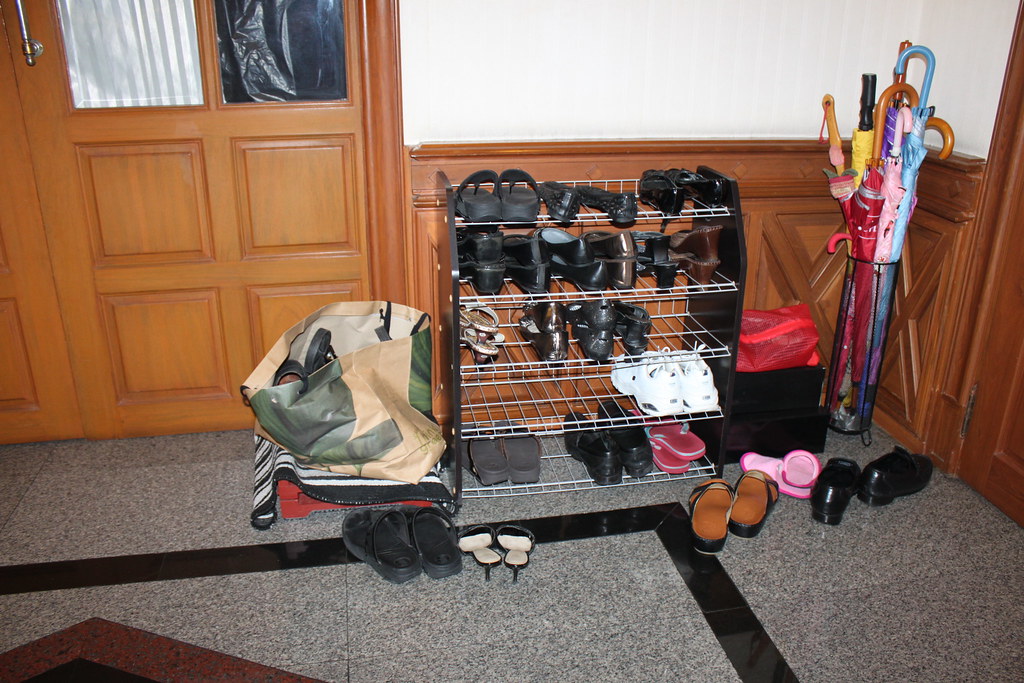
Most shoes die in a closet rather than on a trip. Months of still air and leftover moisture decide more about a pair’s condition than any single week of walking does, and storage is the cheapest part of shoe care to get right.
Air is the primary treatment
Shoe materials release moisture slowly, and a pair that goes into storage still damp from its last wearing holds that damp against itself for months. The result is odor in the lining and, in leather, staining and stiffness. Storage therefore starts with a full dry: two days at room temperature in moving air before the shoes go anywhere near their long-term spot. Residual foot moisture is not the only culprit either. A pair cleaned before storage brings its own damp if it never finished drying, and mud left on an outsole holds moisture while salt residue keeps pulling it from the air. Ventilation stays the rule after that. An open shelf works; so does a breathable fabric bag or the original box with the lid cracked. Airtight plastic bins are where mildew and odor begin. Odor that survives into storage is stubborn, since months of stillness set the residue into the lining for good.
What to stuff them with
Shape matters more in storage than people expect, especially for leather, which takes a set from whatever position it dries in. Crumpled plain paper or newspaper both hold the toe box open and wick out any residual moisture. Over-stuffing is its own mistake: paper packed hard stretches the upper and distorts the fit, so fill until the toe holds its shape and stop there. Skip tight synthetic stuffing that presses the upper in odd directions, and skip plastic wrap entirely. Cedar shoe trees are the premium answer for structured leather, but travel sneakers have soft uppers and need nothing more than paper. For pairs with removable insoles, pull those out for storage too; an insole left pressed inside a dark shoe all off-season is the most reliable way to grow something.
Placement beats technique
Where shoes sit changes the outcome as much as how they were prepared. Keep them off radiator-adjacent shelves and out of direct sun through a window, both of which dry and crack materials over a season. In humid climates, a closet floor against an exterior wall can run damp, so a raised shelf beats the floor and lets air move under the soles. Basements and garages fail for the same reason: temperature swings and humidity that a bedroom closet never sees. Rotation helps too. A pair that sits untouched for months goes stiff and stale, the same logic behind alternating shoe pairs on long trips, scaled down to home life; an occasional walk to the store keeps foam flexing and leather supple.
The shelf is where the inspection happens
Storage is also the right moment for a close look at tread depth, midsole creasing, and upper wear, because judging when a pair of travel shoes is finished is easier with clean shoes in front of you than it ever is mid-trip. Catch a worn outsole on the shelf and the replacement arrives before departure; catch it on day two of a holiday and the trip inherits the problem. Storage also preserves whatever state a pair arrived in, so odor removed before boxing stays removed.
Shoes stored well start the next trip half-prepared. Shoes stored badly start it already damaged.
FAQ
- Should travel shoes be stored in the original box?
- The box is fine if it is not sealed shut over shoes that are still damp. Crack the lid or punch a few holes so air moves. What to avoid is airtight plastic, which traps residual moisture and breeds odor over months.
- Do I need cedar shoe trees for sneakers?
- No. Cedar trees earn their keep with structured leather dress shoes. Travel sneakers have soft uppers that hold their shape well when lightly stuffed with plain paper, which also absorbs leftover moisture.
- Is it bad to leave shoes in a hot car or attic between trips?
- Yes. Repeated heat cycles harden adhesives, dry out leather, and press a permanent set into foam midsoles. A temperate indoor closet is the right climate; anywhere a car, attic, or garage swings hot and cold is the wrong one.
On the Ground
Four surfaces, read separately
Airport day
Terminal floors, security lines, overnight feet.
Beach town
Hot pavers, algae-slick steps, sand in everything.
City walking
Old stone that never flexes underfoot.
Trail day
Day-trip dirt that turns to mud by noon.