Guide
How to Stop New Shoes Rubbing the Back of Your Heel
By Rowan Hale, Footwear Editor · Published Oct 4, 2026 · Updated Oct 4, 2026
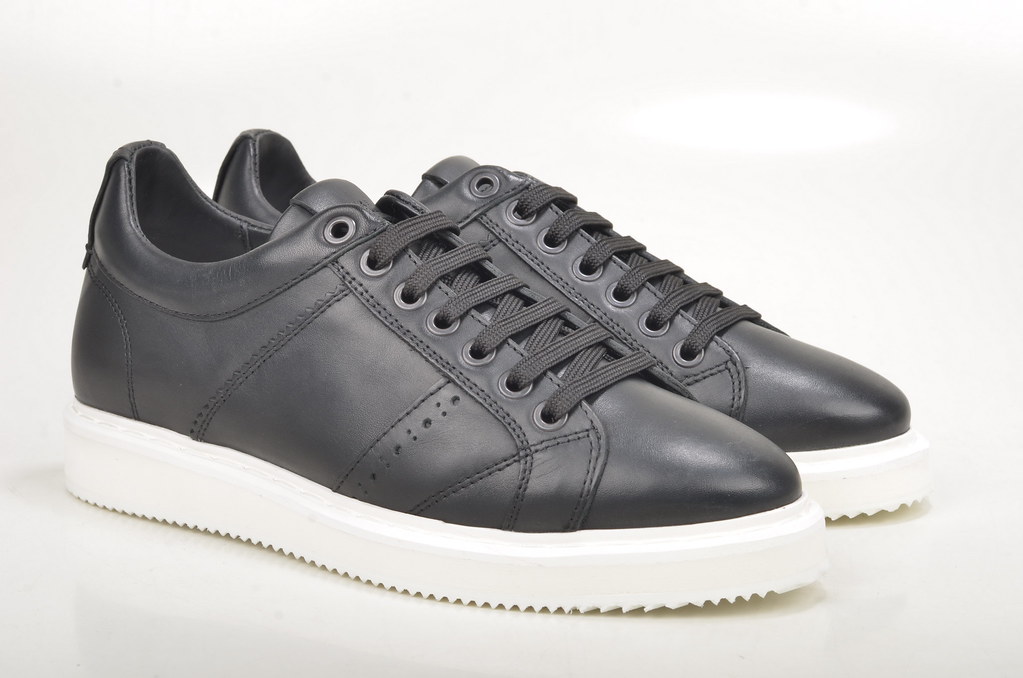
A blister on the back of the heel is rarely one problem. It is one of three, and treating the wrong one explains why thicker socks and adhesive patches keep failing for so many walkers.
Source one: a heel counter that will not forgive
The heel counter is the stiff cup at the back of the shoe, and in a new pair it sits at maximum rigidity. Every stride flexes the ankle against that cup, and skin rubbing a hard surface a few thousand times a day heats up faster than it can adapt. Collar padding helps, but the counter itself softens only with wear, which is why the shoe that bites on day one is unnoticeable by week three. Owner reviews commonly note that firm-heeled models take longer to settle than soft-collared designs.
Source two: a heel that is being allowed to lift
Friction needs movement, and the most damaging kind is vertical: the heel rising slightly and dropping back with every step. No cushioning fixes that; the lacing does. The fix is a heel-lock pattern. Lace the shoe normally up to the second-to-last eyelet. Thread each lace end through the top eyelet on the same side to form a small loop. Cross the laces through the opposite loops and cinch down before tying. That final crossed band pulls the heel back and down into the counter, where it stays. It costs ten seconds once learned, and the full technique is laid out in the heel-slip lacing fix.
Source three: the sock face itself
The third source lives between skin and shoe. A sock that wrinkles at the heel multiplies friction; so does a seam pressing a ridge into the same spot, and cotton gone damp turns rough against skin that is already softened. A smooth, close-fitting sock in merino or a synthetic blend stays put and removes most of that contribution on its own, before any taping becomes necessary.
Tape the heel before the walk, not after the sting
The order of operations is where most people lose. A hot spot is a warning issued after the damage has started, so the reliable move is preventive: tape both heels on clean, dry skin before the first long walk in a new pair. Smooth athletic tape or a hydrocolloid pad both work, pressed on without wrinkles — a wrinkle in the tape grows into its own friction ridge within the mile. If the sting arrives mid-walk anyway, stop and tape immediately, because the gap between a two-minute tape job and a week of walking on a fluid blister is usually just the decision to stop. New shoes also deserve controlled wear before travel day, and a proper break-in routine exists for exactly that purpose.
The comfortable answer is mechanical rather than medicinal: lock the heel down with lacing and smooth the interface with the right sock, then give the counter a few controlled hours to soften before the trip tests it. A blister patched with sympathy is a blister that repeats.
FAQ
- Will new shoes stop rubbing the heel once they break in?
- Usually yes where the heel counter is involved, because the stiff cup softens and conforms over the first weeks of wear. But a shoe that slips at the heel because of fit or lacing keeps rubbing no matter how old it gets, so fix the movement first and let time handle the rest.
- Should I pop a heel blister?
- Generally no. The fluid cushion protects the new skin underneath. If a blister is large, tense, and certain to burst from walking anyway, drain it with a sterilized needle, keep the skin roof on, and cover it with a hydrocolloid pad.
- Do thicker socks prevent heel blisters?
- Only sometimes. Thickness can pad the area, but a thick sock that wrinkles or slides against the counter makes friction worse. Fit and material matter more than thickness: a close-fitting merino or synthetic sock that stays smooth beats a thick loose one.
On the Ground
Four surfaces, read separately
Airport day
Terminal floors, security lines, overnight feet.
Beach town
Hot pavers, algae-slick steps, sand in everything.
City walking
Old stone that never flexes underfoot.
Trail day
Day-trip dirt that turns to mud by noon.