Guide
Shoe Anatomy for Buyers: Midsole, Outsole, Rocker, Drop
By Rowan Hale, Footwear Editor · Published Oct 5, 2026 · Updated Oct 5, 2026
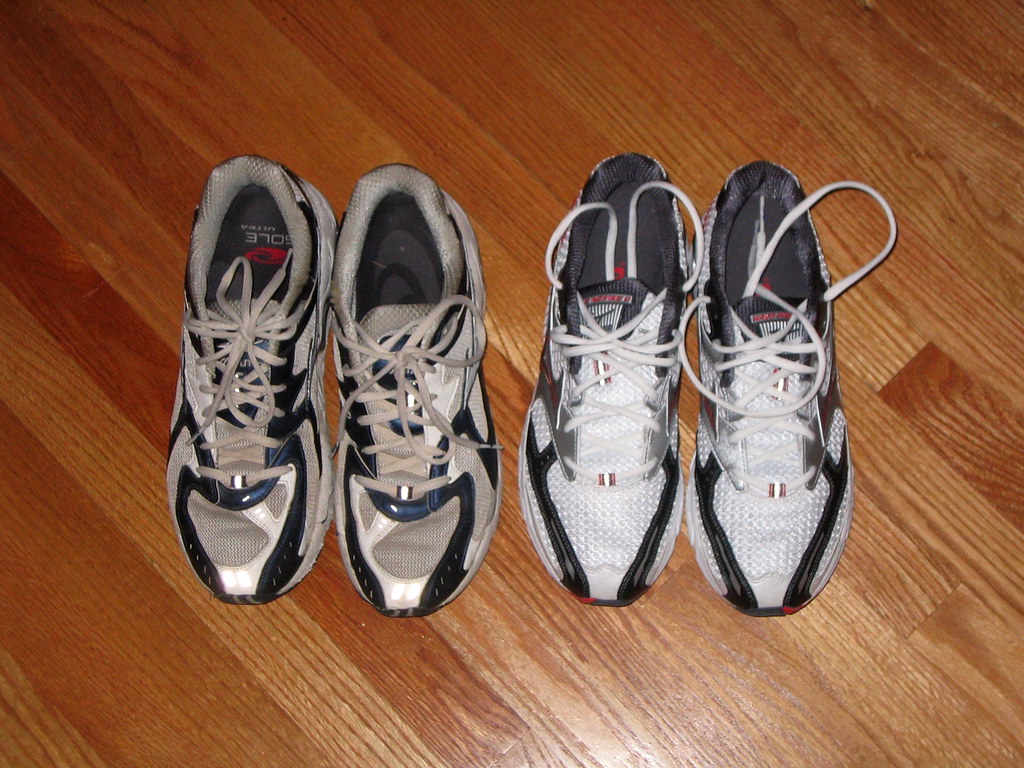
Four terms carry most of the meaning on a shoe spec sheet: midsole, outsole, rocker, drop. Learn what each one does and product pages stop sounding like marketing — the shoe tells you what kind of walking day it expects to survive. That is the reading order below, from the part that sets comfort to the part that decides where the ache lands.
Midsole: where comfort is decided
The midsole is the foam layer between the footbed and the outsole, and it is the biggest single determinant of how a shoe feels at step ten thousand. Stack height — its thickness at heel and forefoot — sets the impact budget. Pavement is relentless, and a thin platform spends that budget before lunch. Foam character matters as much as height: traditional EVA reads firm and ages slowly, newer super-foams read livelier but vary more between makers. Foam also ages in storage. A midsole that sat compressed in a closet for two years is older than its unworn outsole suggests, which is why a shoe’s manufacturing date matters more than its condition.
Outsole: grip and mileage live here
Rubber compound and tread pattern decide grip and durability. Travel surfaces are a simple forecast — pavement, painted lines, wet stone, the occasional gravel shortcut — and the mix wants a fairly hard rubber with dense, shallow lugs. Deep lugs flex oddly on flat stone and wear fast on concrete. The failure mode to avoid is the smooth, flat fashion sole: it grips dry pavement fine and turns treacherous on wet marble, the exact surface waiting outside old-town restaurants and station entrances.
Rocker: geometry that works while you walk
A rocker sole curves upward from midfoot to toe, so the shoe rolls forward instead of relying on your forefoot to flex it. On long days this is quiet labor savings. The joints under the toes perform thousands of flex cycles a day, and a rocker absorbs a share of them — one reason walker reviews of curved platforms so often mention less forefoot burning. The caveat is stability: a strongly curved platform can feel tippy, particularly on uneven stone, so test the feel before committing a whole trip to it.
Drop: the dial that moves the ache
Drop is the height difference between heel platform and forefoot platform — heel 30 mm, forefoot 20 mm, drop 10 mm. It neither adds nor removes cushioning; it moves where the load lands. Higher drops unload the calf and Achilles and ask more of the knee, lower drops the reverse. Both patterns are legitimate, but switching abruptly — a lifelong 12 mm walker stepping into a 4 mm platform the week before a trip — invites precisely the calf soreness the change was supposed to feel liberating about. The mechanics get their own explainer at what drop does on a long walking day.
Read any spec sheet in that order and the shoe’s intended day becomes legible before the marketing copy gets a word in. A tall resilient midsole announces long hard days; a shallow-lug outsole announces pavement only; a rocker announces forefoot mercy; a 10 mm drop says come as you are. When two shoes disagree on all four, believe the numbers over the adjectives — and take them to our fit-notes guide for spec sheets, which turns each number into a fitting check.
FAQ
- Which part of a shoe matters most for all-day walking?
- The midsole. It sets the impact budget for the whole day, and stack height plus foam quality decide whether step twenty thousand feels like step one hundred. Everything else modifies the experience, but a thin or dead midsole cannot be compensated by any other part.
- Is a higher drop bad for walking?
- No — drop redistributes load rather than adding or removing comfort. Higher drops unload the calf and Achilles while asking more of the knee; lower drops do the reverse. Problems come from switching abruptly, not from either end of the range itself.
- Do I need a rocker sole for city travel?
- It helps most on long pavement days, where the rocker absorbs a share of the forefoot's flex work and delays that burning feeling under the ball of the foot. On uneven cobblestone a strongly curved platform can feel less stable, so it is a trade, not an upgrade.
On the Ground
Four surfaces, read separately
Airport day
Terminal floors, security lines, overnight feet.
Beach town
Hot pavers, algae-slick steps, sand in everything.
City walking
Old stone that never flexes underfoot.
Trail day
Day-trip dirt that turns to mud by noon.