Guide
How to Choose a Daypack for City Day Trips
By Rowan Hale, Footwear Editor · Published Nov 14, 2026 · Updated Nov 14, 2026
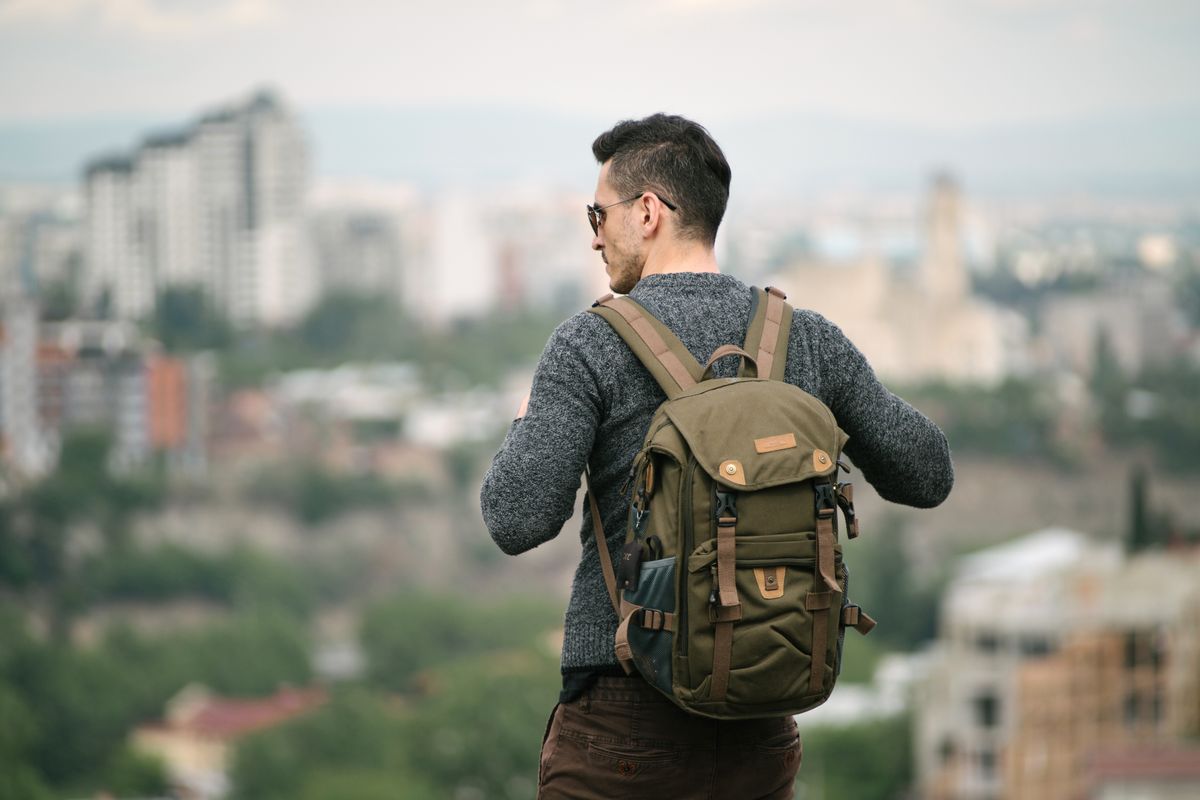
A daypack is the bag that carries the walking day: water, a layer, the snacks, the medical pouch, the purchase you did not plan. It differs from a travel backpack in scale and from a tote in structure, and the difference is measurable at hour six of a walking day. The wrong bag converts every item you carry into a small tax on your shoulders and hips; the right one makes the load disappear into the frame of the day. Choosing one is mostly a matter of sizing honestly, then spending money on the three features that actually touch your body.
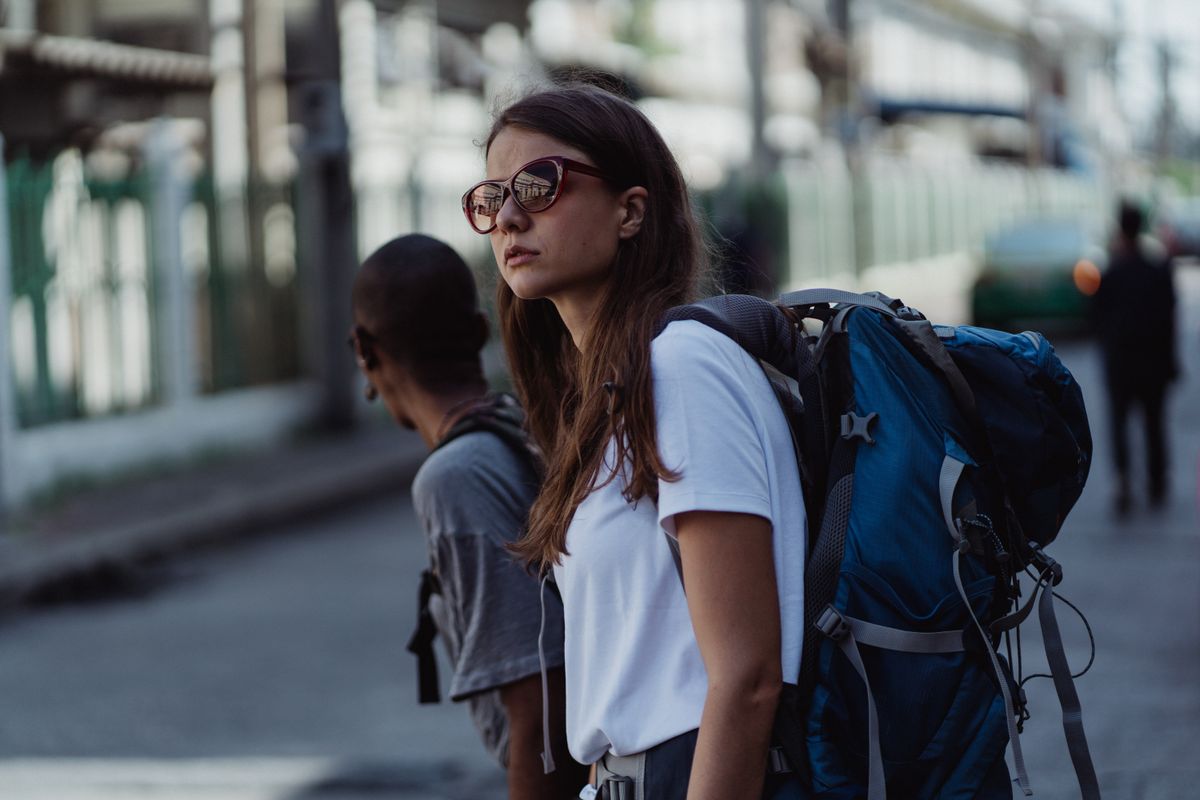
Start with volume, and start low
Volume is the spec that decides everything else, and most travelers overestimate it. A real city day — transit, museums, a park lunch, dinner out — needs twelve to twenty liters. That range holds a liter of water, a light rain shell or packable layer, a small pouch of blister care and medications, a phone, a power bank, and a paperback-width purchase, with room to spare. Packs sold at twenty-five to thirty-five liters are designed for hiking days with extra insulation and food, and in a city they mostly carry air, plus whatever you impulsively stuff into it.
The overpacking mechanism is worth naming because it is predictable: bag volume grows, contents grow to match, and the growing weight is carried for eight hours on the same pair of shoulders that are also carrying the shoe bill from the morning. Choosing a pack that physically cannot hold much is a forcing function. Anyone who has tried a twelve-liter pack for a season rarely goes back up voluntarily; the complaints in owner reviews run the other direction — smaller than expected — and for day trips that turns out to be the feature, not the flaw.
Back panel and straps: where comfort is actually decided
At daypack weights, comfort is decided almost entirely by two surfaces: the back panel and the shoulder straps. A padded, ventilated back panel — the trampoline-style mesh stretched over a frame — keeps the pack off your spine and lets heat escape, which matters more than any strap feature in warm weather, because a sweat-soaked back is the complaint that shows up first in warm-city reviews. Flat, foam-only panels are fine in cool weather and for light loads, and they pack flatter when the daypack rides inside a larger bag on travel days.
Shoulder straps deserve a squeeze before a purchase. Wide, dense foam distributes load; thin straps concentrate it into a line across the trapezius, and the effect compounds over hours. A sternum strap is the one addition that earns its weight — it prevents the straps from sliding outward on shoulders of any shape and stops the pack swinging when you turn. Hip belts, as noted above, matter less at this weight; a simple stabilizer strap across the front of the pack serves the same anti-sway purpose with none of the bulk.
Load access: why the opening shape matters more than pockets
Pocket counts dominate marketing copy, but the feature that shapes daily use is the main opening. A wide, clamshell or U-shaped opening lets you see the whole interior at once — which on a day trip means finding the sunglasses case without excavating. Narrow top-loading openings, borrowed from climbing packs, hide everything below the first layer and reward packing discipline that day trips rarely receive.
Inside the main compartment, the pocket set that earns its place is short: one slip pocket against the back panel for the phone and wallet, where pickpocket exposure is lowest; one or two small organizer pockets for tickets and cables; a key leash. Every additional pocket past that set has a cost that shows up as weight and as the mental overhead of remembering which pocket holds what. Exterior stretch pockets are the one honest exception — a water bottle pocket you can reach without stopping is used a dozen times a day.
Security features, sized to the actual risk
The security question in most cities is opportunism, not planning: an unzipped compartment on a tram, a bag’s rear pocket brushed in a queue. Features that answer that level of threat are quiet and cheap — zip garages that hide zipper pulls, back-panel storage for valuables, zips that accept a small lock for days the bag gets stowed or checked. The heavier armor — stainless mesh linings, steel-cabled straps — answers a different threat model, and it charges in weight and price for protection most day trips never need. Read the feature list as a menu rather than a checklist: one back-panel valuables pocket plus zip pulls that tuck away covers the realistic exposure.
Materials matter here too, quietly. A densely woven face fabric with a durable water repellent finish resists both drizzle and sidewalk abrasion, and it is the difference between a pack that looks tired in year two and one that does not. Coated ultralight fabrics reverse that trade: lighter on the shoulders, faster to wear through where the bag rests on stone walls and luggage racks.
The trial that predicts the trip
No spec sheet answers the only question that matters: how does the loaded pack feel at hour six? Recreate it in the store or at home. Load four to five kilograms — water bottles make honest test weights — wear the pack for twenty minutes of walking rather than standing, and adjust the straps in order: shoulder first, then sternum, then the load lifters if the pack has them. A pack that needs constant re-adjustment in a living room will need it all day on the road. The models that survive this trial, from simple mainstays like the Osprey Daylite to a dozen boutique equivalents, all share the same skeleton: sized honestly, padded where the body actually contacts the bag, and openable wide enough to see what you brought.
Finally, think of the daypack as part of a packing system rather than a standalone purchase. It rides inside the main bag on travel days, which is when its weight, compressibility, and fabric thickness are paid for or forgiven. Our breakdown of what actually fits in a personal item shows where a daypack slots into a carry-on-only loadout, and the two-day, one-bag packing list covers the weekend version of the same system. Choose the daypack to complete that chain and it will earn its space twice — once on the walking day, once in the bag it packs into.
FAQ
- What size daypack works for a city day trip?
- Twelve to twenty liters covers a genuine day out: water, a layer, snacks, a small medical kit, a camera or map, and room left over for a purchase or two. Packs above twenty-five liters invite you to carry things you do not need, and the weight arrives on your shoulders by mid-afternoon.
- Are anti-theft features worth paying for?
- One or two quiet features are: a zip garage on the main compartment, an interior pocket that sits against your back, and lockable zips for the days you check the bag. Full Exomesh linings and steel-reinforced straps add weight and cost for a threat most city travelers rarely meet.
- Should a daypack have a hip belt?
- For city use, a simple stabilizer strap is more useful than a padded hip belt. At daypack weights — usually under six kilograms loaded — the belt adds bulk more than support, while a thin strap across the front keeps the pack from swinging on stairs and tram rides.
On the Ground
Four surfaces, read separately
Airport day
Terminal floors, security lines, overnight feet.
Beach town
Hot pavers, algae-slick steps, sand in everything.
City walking
Old stone that never flexes underfoot.
Trail day
Day-trip dirt that turns to mud by noon.